 Provo
Provo Rodents Moved Into the Empty House
A closed-up house does not stay empty in Utah County — it just changes tenants. Cabins toward Sundance, second homes, and rentals sitting quiet between semesters come back to droppings, nesting, and smells. We inspect, clear, and seal vacant homes so the quiet months stop costing you.
Call (385) 406-1774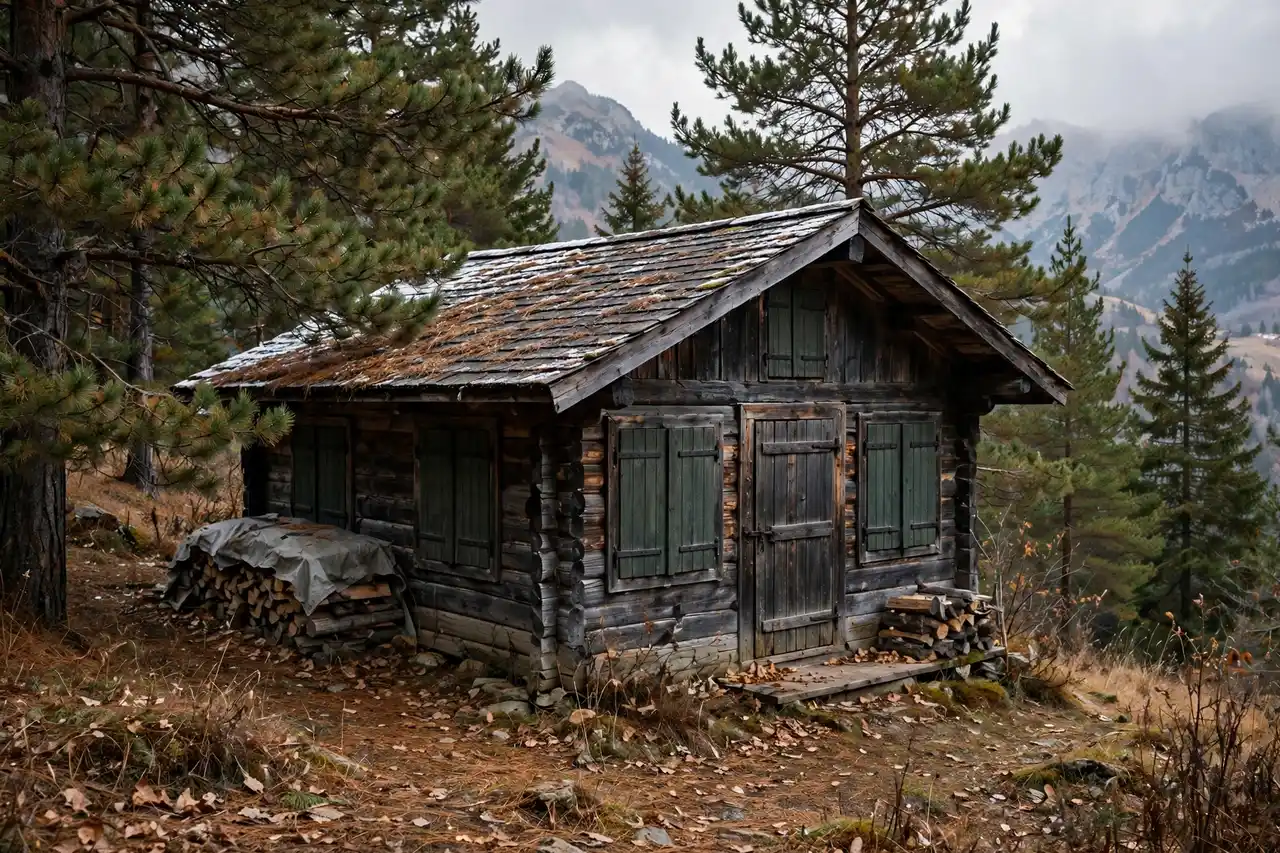
Quiet Houses Are an Open Invitation
Rodents do not break into houses. They drift into houses that stop resisting. An occupied home resists constantly without trying: doors open and close, water moves through pipes, footsteps cross the ceiling, lights and noise announce that a large predator species lives here. Remove all of that, and the same structure reads to a deer mouse as warm, dry shelter with no predators at all — the best real estate on the bench.
That is why vacancy, not dirt or bad luck, is the strongest predictor we see. One undisturbed season is enough for mice to enter through a pencil-width gap, raise litters in insulation, and stockpile seed in a wall void. By the time you unlock the door, you are not dealing with a visitor — you are dealing with residents.
The Three Kinds of Empty in Utah County
Canyon second homes. Cabins and second homes up Provo Canyon toward Sundance sit in prime deer mouse habitat and may be visited monthly — or twice a year. The surrounding brush is where deer mice live naturally; your closed cabin is the warmest structure in their territory all winter. A single open vent or eave gap becomes a season-long tenancy.
Between-semester rentals. Provo's student neighborhoods empty out on a schedule: mid-May to late August, plus the December break. Units in Joaquin, University, and the south-of-campus blocks sit warm and silent through the breeding season; tenants returning in August inherit whatever moved in. Owners who treat summer vacancy as harmless relearn the lesson every fall.
Homes between owners. Listed homes, estates, and houses waiting on a sale or a remodel sit empty everywhere in Provo — sometimes for a season, sometimes longer. The Riverbottoms versions carry an extra risk: Norway rats working the river corridor and irrigation lines treat a quiet foundation as home base. And a vacant house is a house nobody is watching — the damage is always further along when found.
What a Season of Quiet Leaves Behind
The physical record is consistent. Nests shredded into attic insulation. Seed caches in wall voids, closets, and stored boxes. Chewed materials — wiring insulation is the find that worries owners most, and rightly: damaged wiring in an unattended house is a safety issue, not a cosmetic one. Outside, voles work the unmowed edges and garden beds of a yard nobody is maintaining.
And the smell. The most common reason vacant-home owners call is odor at reopening: a rodent died in a wall or attic during the empty months, and in the still air the smell saturates the house. That is a locate-and-remove job — see our dead rodent odor removal service — followed by the inspection that explains how it got in, because where one died, others are living.
Keeping an Empty House Empty — of Rodents
The defense is built before the vacancy, not after. A pre-closing exclusion visit seals the entry points, screens the vents, and closes the garage and eave gaps while the house is still easy to work in. Food discipline matters: bird seed, pet food, and pantry staples left behind are a stocked pantry for whoever moves in — remove them or seal them in hard containers. For rentals, property managers fold a vacancy check into turnover, so a unit never sits unwatched for a full season.
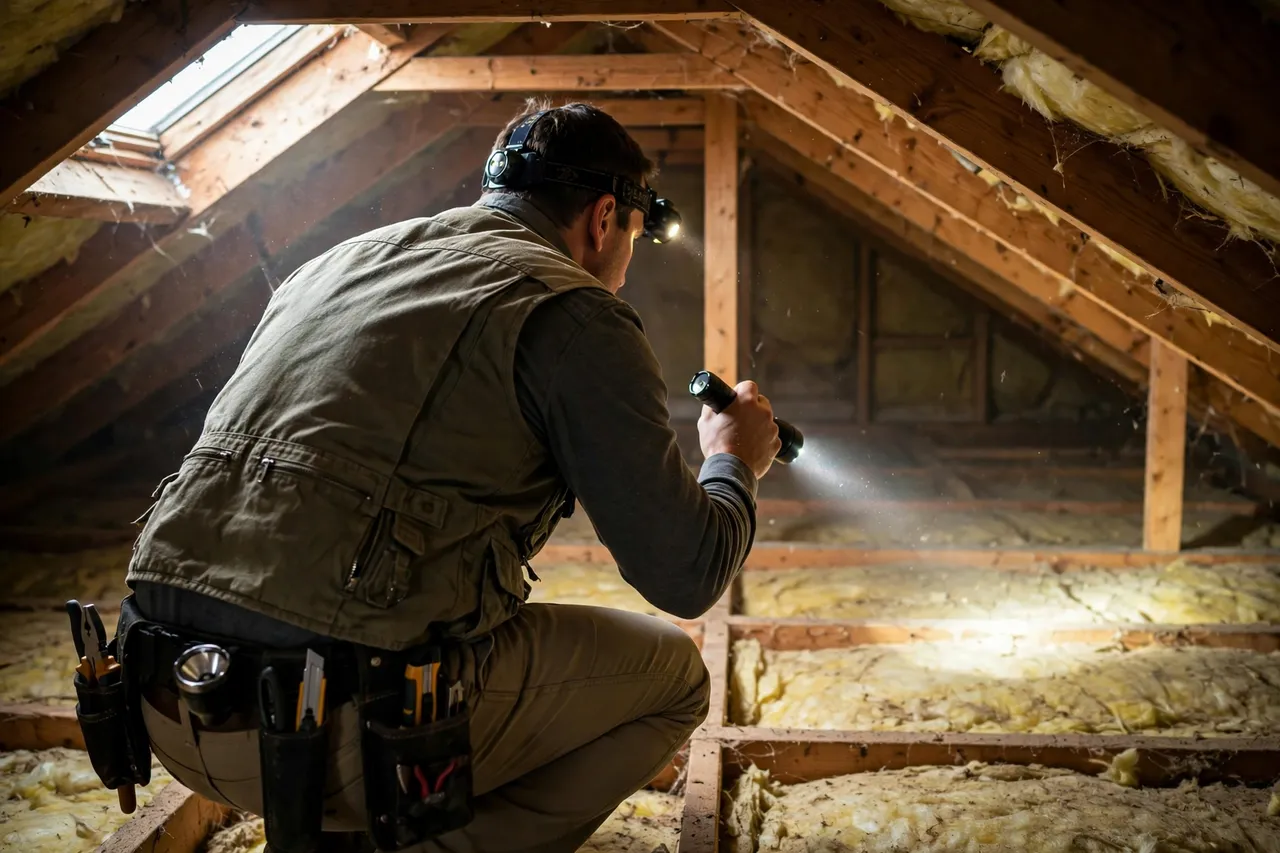
Then, when you return, inspect before you settle. A pre-return visit — attic, pantry, garage, exterior — catches a season of activity while the fix is still fast, instead of after your family or tenants are sleeping in it. If anything moved in, removal and any attic cleanup happen on the same plan, documented in writing.
Vacant Home Rodent FAQs
How long can a house sit empty before rodents move in?
There is no safe number of weeks. A few undisturbed weeks during Provo's fall ingress can be enough for mice to enter and settle, and a full empty season almost guarantees activity in an unsealed house. Risk climbs with every week of quiet and jumps when cold weather arrives — a house that empties in September and sits through the first freeze is the classic case we open up in spring.
We only visit our canyon cabin a few times a year. What should we do?
Treat the cabin like a structure that must defend itself: seal entry points before winter, remove all food and seed stores between visits, and schedule a check during long vacancies if a neighbor or manager can let us in. Then book an inspection for your first return visit, before you sleep in it — the attic and pantry will tell us quickly whether anything moved in while you were gone.
There is a strong smell in our vacant home. Is it a dead rodent?
Often, yes. A rodent that dies inside a wall void or attic of a closed-up house has no one to notice for weeks, and the odor builds in the still air. We locate the source — usually a wall void near where activity signs concentrate — remove it, and treat the odor. If the smell is strongest near plumbing or floor drains instead, we will tell you honestly that you may have a different problem.
Can you check the house before we come back for the season?
Yes — pre-return inspections are some of the most useful visits we make. We check the attic, pantry, garage, and exterior before your arrival date, report what we find with photos in the notes, and handle any removal or sealing while the house is still empty and easy to work in. You come home to a house, not a project.
Does an empty house need different treatment than an occupied one?
The emphasis shifts. In an occupied home, daily human activity does part of the deterrence for free. In an empty house, the exclusion work has to be complete — every entry point closed, vents screened, garage sealed — because nothing else is pushing back. We also look harder at the attic and stored items, since undisturbed spaces are where vacant-house populations actually live.
Related Scenarios & Services
Rentals & Airbnb Hosts
A short-term rental is a part-time vacant home. The same defense, built around a booking calendar instead of a season.
Help for hosts →Moved In and Found Mice
The other end of the vacancy: what to do when the discovery happens after you have already moved in.
Move-in discoveries →Property Managers
Vacancy checks and turnover documentation for managers running rentals across Utah County.
Manager services →Closing Up or Coming Back? Start With an Inspection
Seal the house before the empty months, or clear it before you return — either way, the visit is documented in writing. Mon–Sat, 7am–7pm.
Call (385) 406-1774