 Provo
Provo Rodent Inspection in Provo, UT
Scratching in the ceiling, droppings in the garage, a nest in the crawl space — before anyone sells you a treatment, someone needs to actually look. Our inspection covers the whole house, top to bottom.
Call (385) 406-1774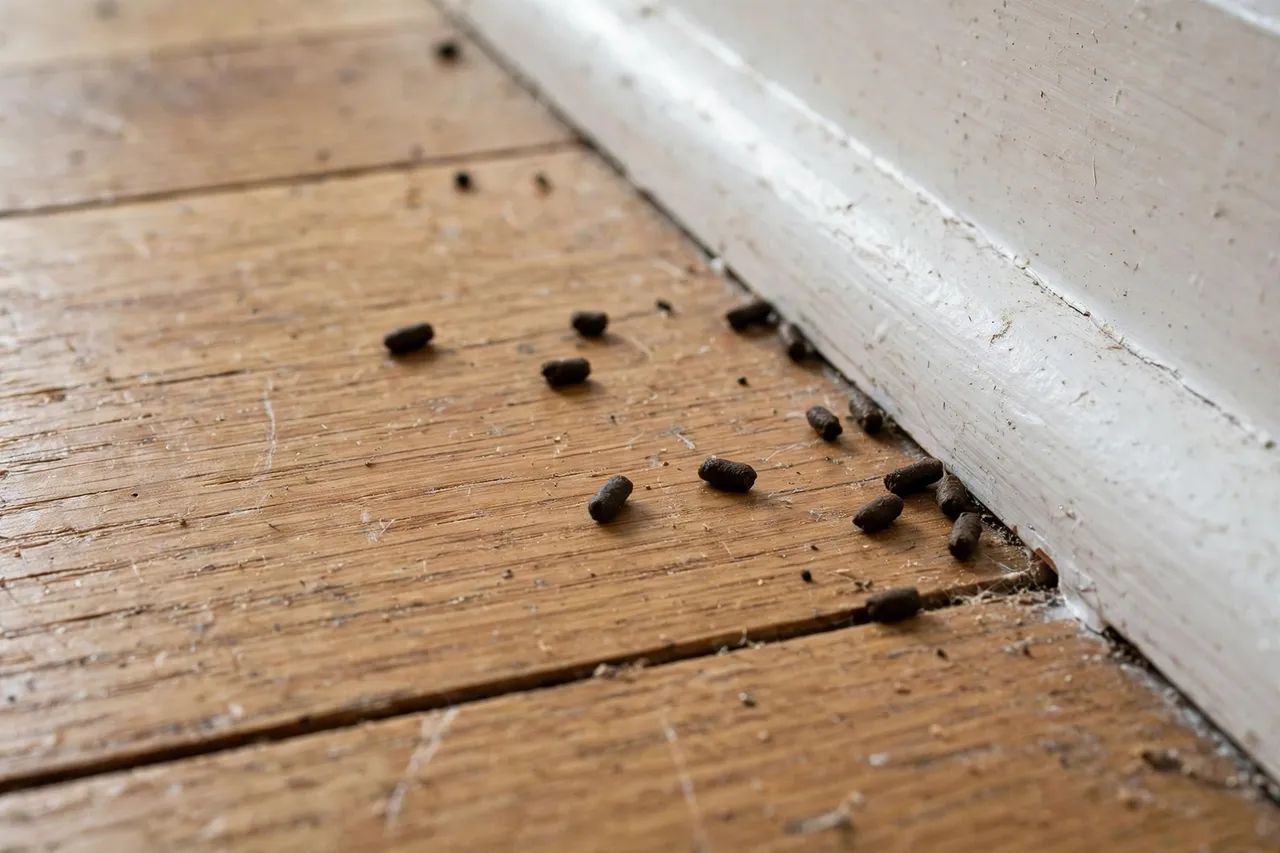
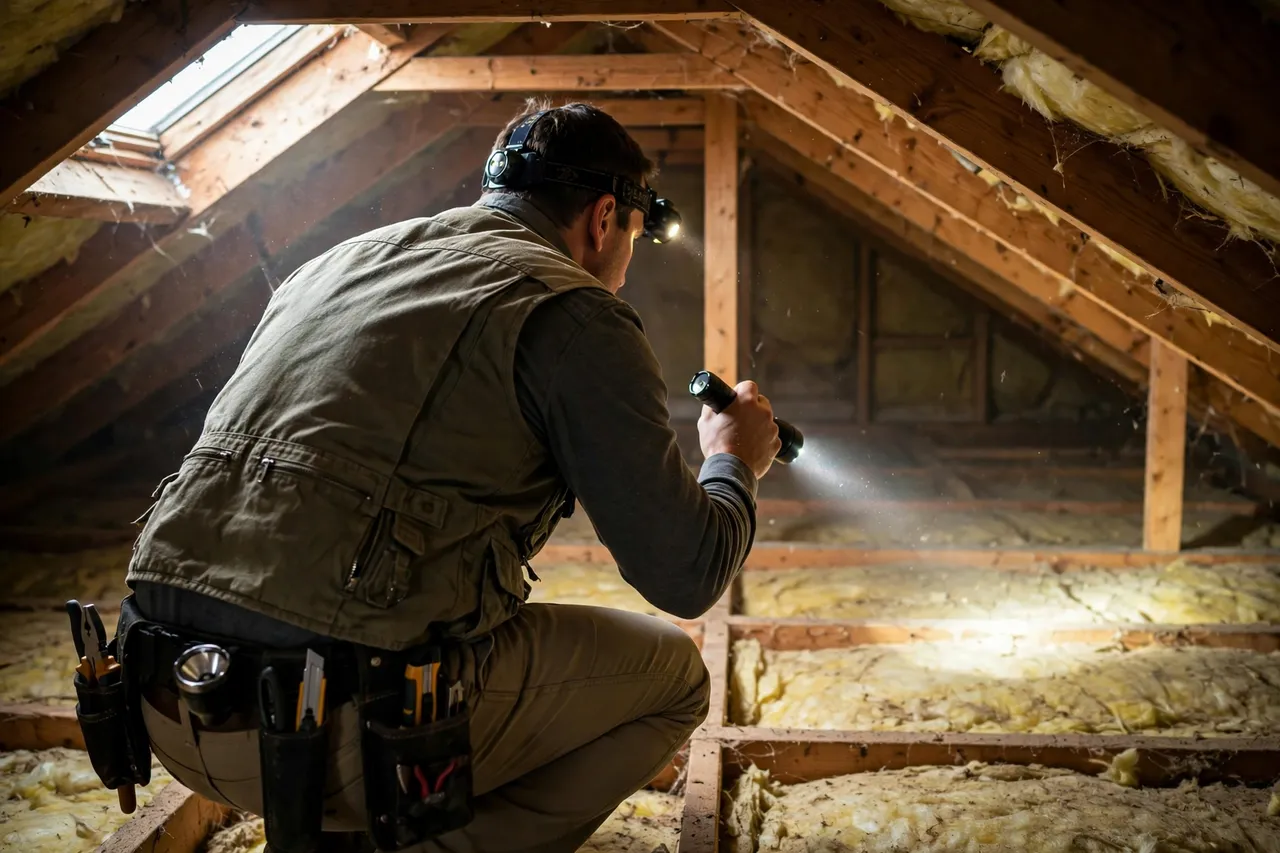
Most rodent problems in Provo get misdiagnosed. A homeowner hears noise in the attic, a general pest company sprays the baseboards, and the noise comes back three weeks later — because nobody checked the roofline vents the rodents were actually using. A real inspection is different. We get into the attic, onto the roofline, under the house, and through the garage, looking for the evidence rodents leave behind: droppings, rub marks, gnaw damage, nests, and the gaps they travel through.
In Utah County, the species matters. Deer mice — our most common attic invader — carry hantavirus risk in their droppings, which changes how cleanup has to be handled. House mice behave differently from Norway rats, and both behave differently from voles tearing up a lawn. The inspection identifies what you have, where it is living, and how it is getting in, so the plan that follows actually matches the problem.
Our Inspection Services
Attic Rodent Inspection
A deep, attic-only inspection: droppings identified by species, nesting mapped, and insulation assessed for contamination and heat loss.
Attic inspections →Pre-Purchase Rodent Inspection
Buying a home in Utah County? General home inspections barely look for rodents. We check the places they miss, before you close.
Pre-purchase inspections →What We Check
The Attic
The attic is where Provo rodent problems announce themselves — and where most of the evidence lives. We check for droppings and identify them by species, look for nests in insulation corners and around ductwork, inspect for chewed wiring, and assess whether insulation is contaminated. We also check attic vents and screens, a favorite entry route.
The Roofline
Rodents are climbers. We inspect eaves, fascia gaps, roof returns, plumbing vent stacks, and chimney flashing from the roofline down. A gap the width of a thumb at the eave is an open door for mice, and roofline entry points are the ones ground-level treatments never fix.
The Foundation
Older homes in neighborhoods like Maeser, Joaquin, and Downtown were built with vent and utility openings that were never screened to modern standards. We check foundation vents, weep holes, settling cracks, and every place a pipe or line passes through the wall.
The Garage
Garage door corners that don't seal, stored pet food, and clutter along the walls make garages the most common first stop for rodents entering a Provo home. We check door seals, wall bases, and the interior door into the house.
The Crawl Space
Where a home has a crawl space, we check for nesting, droppings, damaged vapor barriers, and chewed plumbing insulation — and for the access points rodents use to move from the crawl space up into wall voids.
What You Get
You get written findings, not a sales pitch. After the inspection we document what we found and where, which species is involved, every entry point we located, the condition of attic insulation, and a prioritized recommendation: what needs removal, what needs sealing, what needs cleanup, and what can simply be monitored. If the honest answer is "you have an old, inactive nest and no current problem," that is what the report says.
Honest Advice Before You Book
An inspection is worth paying for when you have signs of activity but no clear picture of the problem. It is less necessary if you already know exactly what you have and where — for example, a single mouse in a kitchen trap pattern you've dealt with before. And be skeptical of any inspection that lasts ten minutes and ends with a clipboard: droppings identification and entry-point mapping take time, because the entry points are the whole ballgame. Seal the wrong places and you've bought an expensive delay, not a solution.
If droppings are present — especially deer mouse droppings — do not sweep or vacuum them before we arrive, and keep kids and pets out of the space. Disturbing dry droppings is exactly what creates the dust you don't want to breathe.
Rodent Inspection FAQs
What does a rodent inspection in Provo actually cover?
We check the attic, roofline and vents, foundation, garage, and crawl space for droppings, rub marks, nests, entry points, and damaged insulation — then give you written findings with photos before recommending any work.
How long does a rodent inspection take?
Most Provo homes take 45 to 90 minutes. Attics with heavy rodent activity or large crawl spaces can take longer, because droppings identification and entry-point mapping can't be rushed.
Can you tell which rodent species I have from the inspection?
Usually, yes. Droppings size and shape, nest location, gnaw marks, and runways distinguish deer mice, house mice, and Norway rats — and the species determines the right removal and exclusion plan.
Do I need an inspection if I already hear scratching?
Yes. Hearing rodents tells you there is a problem, but not how they are getting in, how many there are, or whether insulation is contaminated. The inspection is what turns a noise into a fixable plan.
What happens after the inspection?
You get written findings: what we found, where, and what we recommend — removal, exclusion, cleanup, or sometimes just monitoring. There is no obligation to book the follow-up work with us.
Is it safe to inspect an attic with deer mouse droppings?
With the right precautions, yes. Deer mice in Utah can carry hantavirus, so we ventilate the space first and never disturb dry droppings in a way that creates dust. Homeowners should not sweep or vacuum droppings themselves.
Know What You're Dealing With
Book a full inspection and get written findings before you spend on treatments that guess. We're available Mon–Sat, 7am–7pm.
Call (385) 406-1774