 Provo
Provo Rat Exterminator in Provo, UT
Rats are not big mice. They are stronger, warier, and more destructive — and in Provo they are almost always Norway rats working the ground: burrows by foundations, runs along the river and irrigation lines, raids on dumpsters and garages. Provo Rodent Pros traps them, verifies the catch, and seals the building so the colony cannot simply be replaced.
Call (385) 406-1774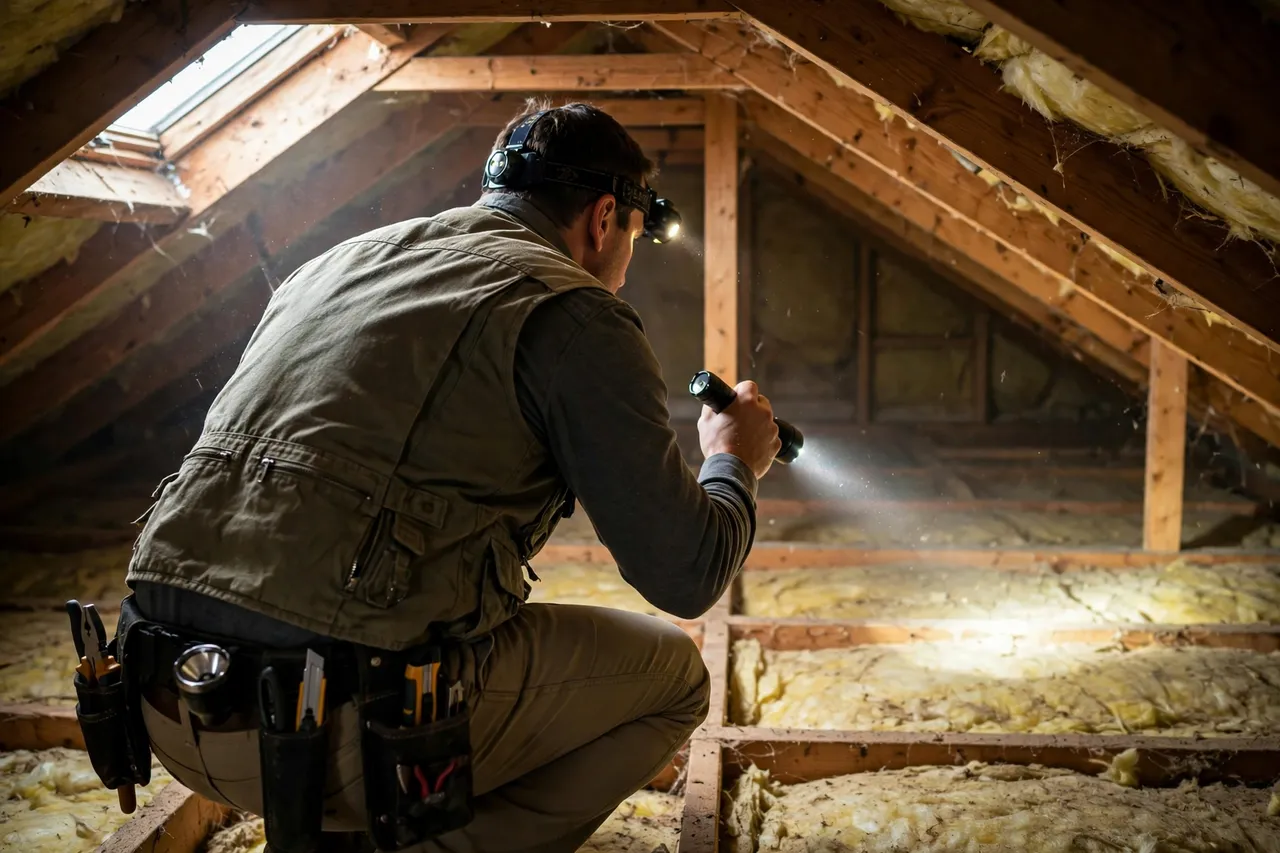
Know Your Rat: Norway Rats in Utah County
Utah is not roof-rat country — that climbing species thrives in warm coastal climates and is rare here. The rat in your Provo crawl space, garage, or restaurant alley is a Norway rat: heavy-bodied, blunt-nosed, and a committed burrower. Norway rats dig systems of tunnels with multiple entrances, usually within a short run of food and water. In Provo that geography is predictable — the Provo River corridor and its irrigation laterals, drainage lines, older neighborhoods with stone or aging foundations, and the dumpster rows behind University Avenue and Center Street businesses.
Norway rats are also cautious. New objects in their territory — including traps — get avoided for days, which is why amateur rat control so often fails: the homeowner sets traps, catches nothing, and concludes the rats left, when really the rats were just waiting them out. Professional rat work accounts for that wariness with placement on established runs, pre-baiting patience, and enough trap density to matter.
The damage case is straightforward: rats gnaw constantly — on wood, pipes, stored goods, and electrical wiring — and they contaminate far more food than they eat. A burrow system at a foundation is not a wait-and-see situation.
How Rat Extermination Works Here
Inspection and mapping. We locate burrow entrances, rub marks, droppings, and gnaw damage, then trace how rats move between the burrow, the food source, and the building. Interior checks cover basements, crawl spaces, garages, and the wall voids rats reach along pipes.
Trapping on real runs. Traps go where rats already travel — along walls, behind stored items, at burrow mouths — not in open floor space where cautious rats will simply detour. Every catch is verified and removed; there is no guessing about whether the program is working.
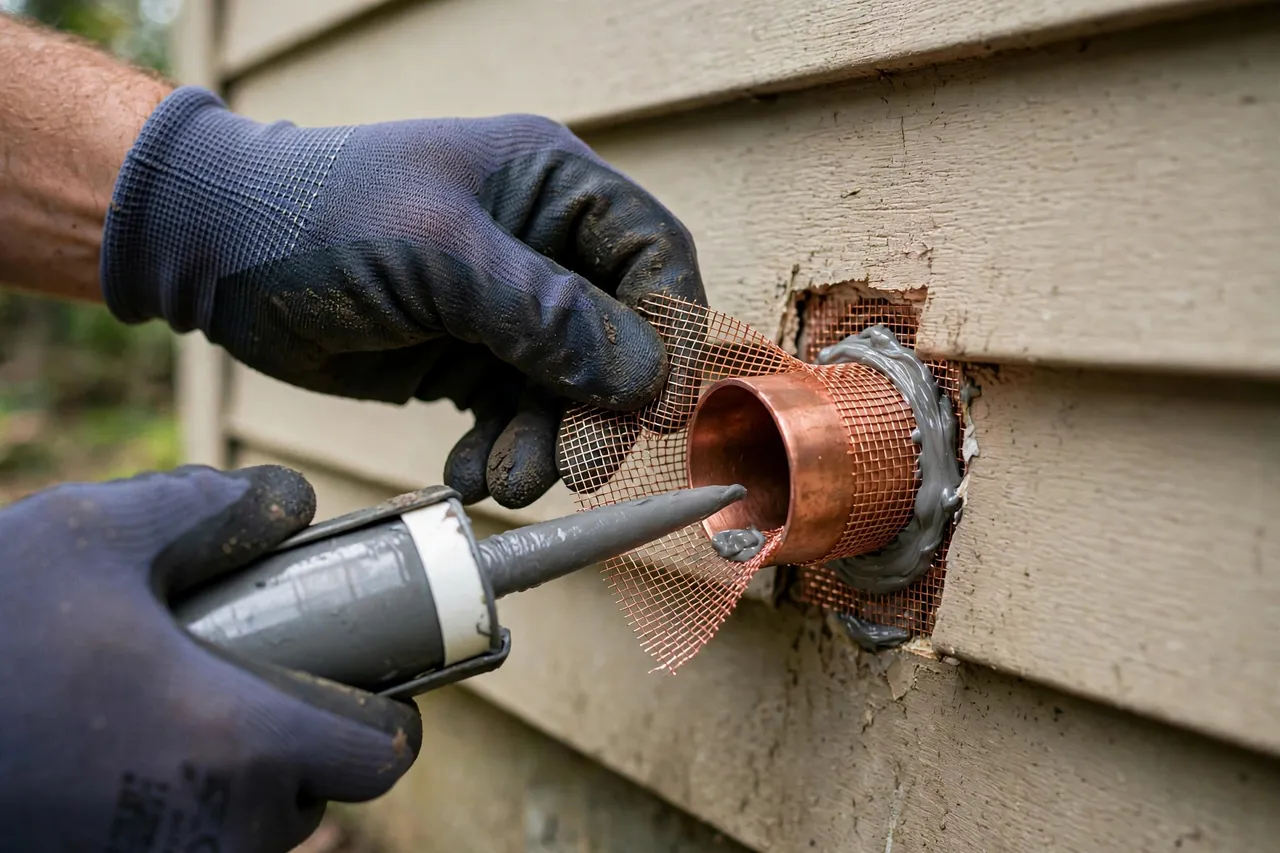
Exclusion and burrow follow-through. Entry gaps get sealed with materials rats cannot gnaw through, foundation holes are addressed, and we advise on the burrow sites themselves. Sealing a building while ignoring an active burrow at the foundation is half a job, so we will be direct about what the site needs.
Cut the supply lines. Dumpster lids, pet food, bird seed, fallen fruit, and water sources decide whether your property stays attractive to the next rats passing along the corridor. Our report names the specific fixes for your address.
Rats also exploit the seasons here. Spring melt and irrigation startup push them along water lines; fall pushes them toward buildings for winter harborage — the same weeks Provo homeowners start hearing heavier noises in crawl spaces and garages. Commercial alleys see year-round pressure because the food supply never closes. Knowing which pattern your property fits is part of the inspection, and it decides where traps and sealing effort concentrate first.
Honest Advice Before You Book
Snap traps from the hardware store are not useless — but for an established Norway rat presence they are rarely the whole answer, and poison is usually worse: dead rats in voids, and the entry points still open for the next arrivals. Also be wary of ultrasonic gadgets; rats habituate to them quickly. What works is unglamorous: find the burrows, trap the runs, seal the building, remove the food and water welcome mat. That is the service you are paying for, and it is the service we sell.
One safety note: never handle a rat, dead or alive, with bare hands, and keep dogs away from carcasses. Call us for removal — retrieval and cleanup are part of the job.
Rat Exterminator FAQs
What kind of rats are in Provo?
Norway rats, almost always. They are ground-dwelling burrowers that live near water, drains, dumpsters, and foundations. Roof rats — the climbing species common in warmer states — are rare in Utah, so a rat in a Provo attic usually climbed in from ground level rather than living a roof-based life.
How do I know if it is rats and not mice?
Rat droppings are raisin-sized, not rice-sized. Rats leave greasy rub marks along walls and pipes, gnaw marks with larger tooth grooves, and burrow holes about three inches wide near foundations. Their sounds are heavier — thumps and slow gnawing rather than light scurrying. We confirm at inspection before any trapping begins.
Can I just use poison for rats?
We do not recommend it as the plan. Rats that die in wall voids create a serious odor problem, and poison does nothing about burrows or entry points. Trapping removes the rats where you can verify it, and exclusion — sealing entries and addressing burrow sites — is what prevents the next colony from moving in.
There are burrows by my foundation. How serious is that?
Serious enough to act on soon. Foundation burrows mean rats are living at the building, and Norway rats follow utility lines and gaps into basements, crawl spaces, and wall voids from there. Call for an inspection — we will assess the burrow system, check for interior access, and lay out removal and sealing in the right order.
Explore Rat Services
Rat Control
The full rat program: identification, trapping, exclusion, and prevention for Provo properties.
Rat control →Rat Trapping
How professional trapping handles trap-shy Norway rats — placement, patience, verification.
Rat trapping →Rats in the Attic
Rats overhead in a Provo home: how they got up there and how they come out.
Rats in attic →Dead Rodent Removal
Safe retrieval and cleanup when a rat dies somewhere on your property.
Dead rodent removal →Burrows, Droppings, or Heavy Scratching?
Call for a rat inspection — burrows mapped, entry points found, and a trapping and sealing plan in writing. Mon–Sat, 7am–7pm.
Call (385) 406-1774