 Provo
Provo Norway Rat Control in Provo, UT
The rat running Provo's river banks, rail edges, and back alleys is the Norway rat — a heavy, ground-dwelling burrower. Controlling it means understanding the colony, not just catching one rat.
Call (385) 406-1774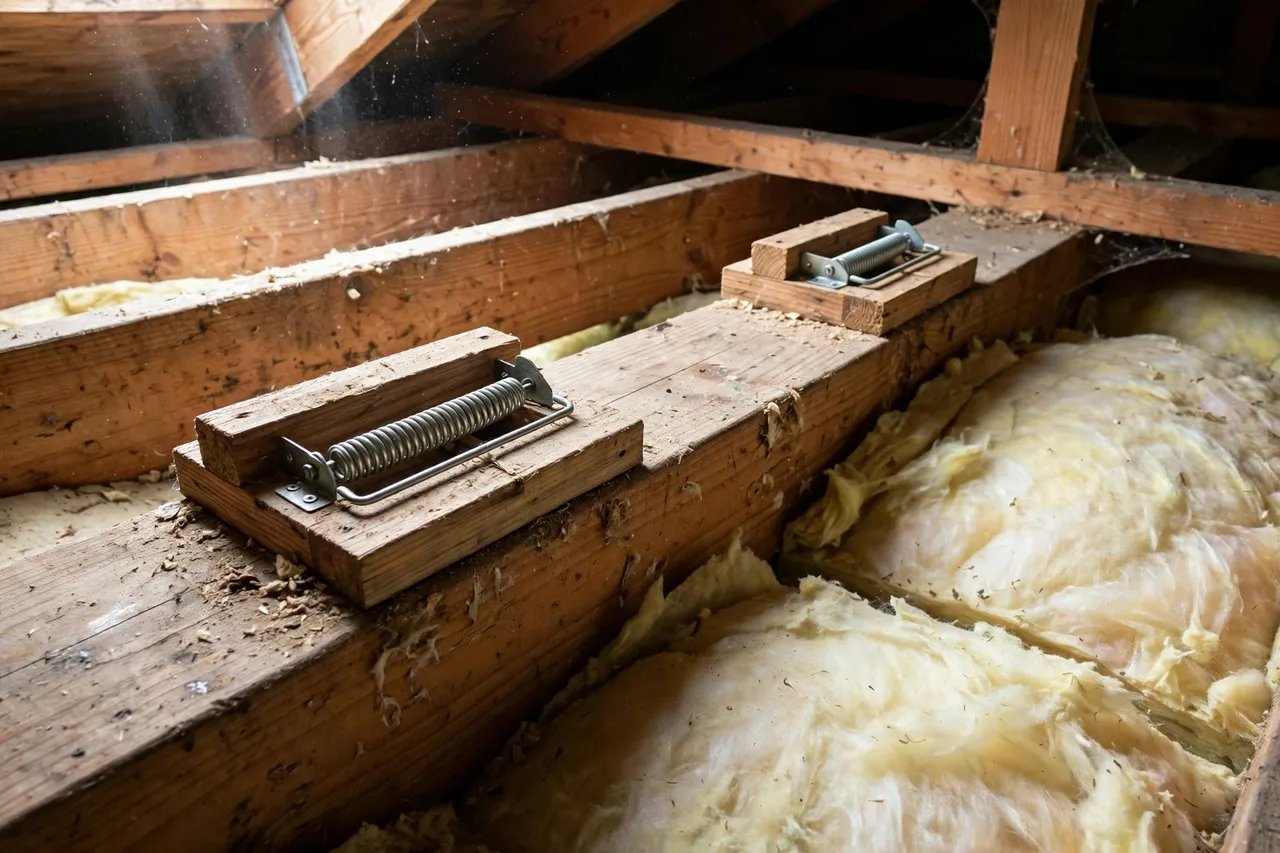
Norway Rat Control, Done Right
The Norway rat — also called the brown rat or sewer rat — is the only rat that matters in Provo, and it is built entirely for life on the ground. Adults run 7 to 9 inches in the body with a thick tail shorter than the body, coarse brown-gray fur, a blunt muzzle, and small ears. They are strong diggers, decent swimmers, and poor climbers compared to tree rats — which Utah essentially does not have. Everything about a Norway rat problem in Utah County flows from that ground-dwelling habit: the burrow is the colony's home base, and the rats commute from it to food and water on worn paths along walls, fences, and foundations.
Norway rats are also cautious. A colony will avoid a new object in its path — including a brand-new trap — for days. That neophobia is the single biggest reason casual rat control fails here: a couple of snap traps tossed near a burrow catch nothing, the homeowner concludes trapping "doesn't work," and the colony keeps growing a few feet away. Real control accounts for the behavior: disturb the harborage as little as possible at first, place equipment on the rats' existing runs, pre-bait unset traps until the rats feed confidently, then set everything at once.
How We Get It Done
Map the colony. We find burrow entrances (typically 2 to 4 inches across, often with fresh dirt fans and smooth, worn rims), grease marks on walls, and the runs connecting burrow, food, and water. Feeding signs tell us colony size.
Cut the food. We identify what the colony is eating — pet food, seed, garbage, fallen fruit, compost — and what can realistically be removed or secured. A colony with no food has to travel farther and takes traps faster.
Trap the runs. Traps go on established travel paths, secured so a struck rat cannot drag them off, and checked on a schedule. Multiple traps, set simultaneously after pre-baiting, beat the colony's caution.
Work the burrows. Where burrows sit against the structure, we address them directly and seal the foundation gaps the rats use to move from burrow to building. Burrow systems left intact next to a sealed house will simply be reoccupied.
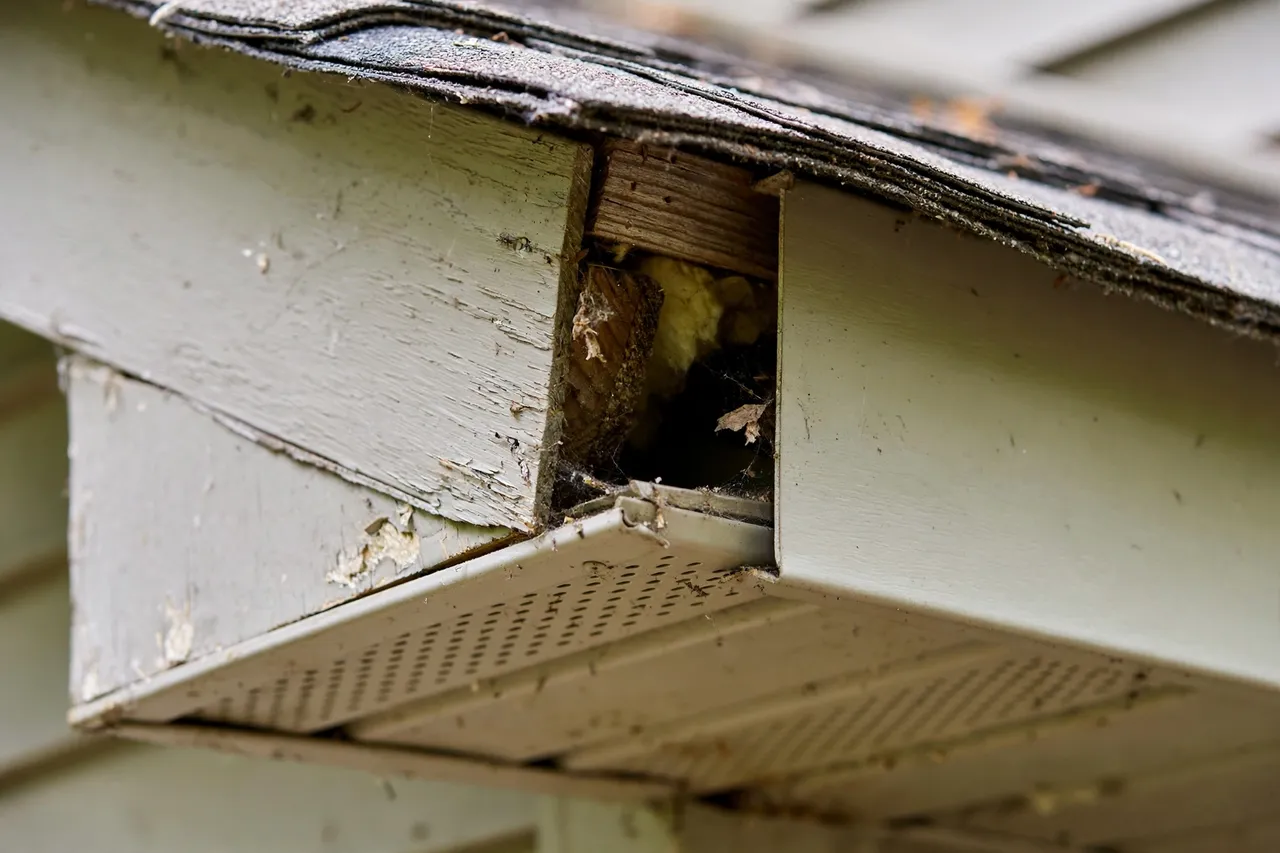
Seal and confirm. Entry gaps get sealed with chew-proof materials, and monitoring confirms activity has stopped before we call it done.
Signs You Need Norway Rat Control
- Holes in the ground near foundations, sheds, or fences with smooth, worn edges
- Blunt, raisin-sized droppings along walls, in garages, or near pet food
- Dark greasy rub marks where rats squeeze along beams and pipes
- Gnawed food packaging, wood, or plastic pipe in low storage areas
- Pets staring at one spot along a fence line or under a deck, especially at dusk
- A heavy, musky odor in a crawl space or outbuilding
Honest Advice Before You Book
Norway rats live outdoors first — if your only plan is traps inside the house, you are treating the symptom while the colony grows in the yard. Also be honest about the food situation: if the dog food stays in an open bin in the garage and the fruit stays on the ground under the tree, any control program fights uphill, ours included. We will point at the specific things feeding your colony before we point at a trap. And if what you actually have is deer mice — the most common indoor rodent in Provo — the raisin-versus-rice dropping test will show it, and mice control is the right service, not this one.
Norway Rat FAQs
How can I tell a Norway rat from a mouse?
A Norway rat is much bigger — 7 to 9 inches of body plus a thick, scaly tail shorter than the body. Droppings are about 3/4 inch and blunt-ended. If the droppings look like raisins rather than grains of rice, you are dealing with rats.
Where do Norway rats burrow in Provo?
They dig burrow systems in soft ground: river banks, under sheds and concrete slabs, along foundations, and in overgrown lots. In Provo, look along the river corridor, behind older commercial buildings, and under outbuildings close to food sources.
Are Norway rats dangerous?
They contaminate food and surfaces with urine and droppings, chew wiring and plumbing lines, and will bite if cornered. Their burrows can also undermine slabs and retaining walls. It is not a problem to leave alone.
Why did the rats show up at my house this fall?
Fall is when Norway rats in Utah County shift range. Cooling temperatures off the Wasatch bench, dropping natural food sources, and harvested gardens push them toward structures with warmth, water, and stored food.
Related Rat Control Services
Rat Control in Provo
The full picture: inspection, removal, exclusion, and cleanup for rat problems across Provo.
All rat control services →Rat Trapping
How a trapping program is staged to beat Norway rat caution and clear a colony.
Rat trapping →Rat Proofing
Sealing burrow routes and half-inch gaps so the next colony cannot move in.
Rat proofing →Colonies along the river hit the neighborhoods beside it first — see our notes on rodent control in the Riverbottoms.
Found Burrows or Big Droppings?
That is a Norway rat colony, and it will not shrink on its own. Call Provo Rodent Pros and we will map it and shut it down.
Call (385) 406-1774