 Provo
Provo Attic Rodent Control in Provo, UT
In Provo homes, the attic is rodent headquarters — warm, quiet, and full of nesting material. We remove the rodents, clean the attic safely, and seal the way they got in.
Call (385) 406-1774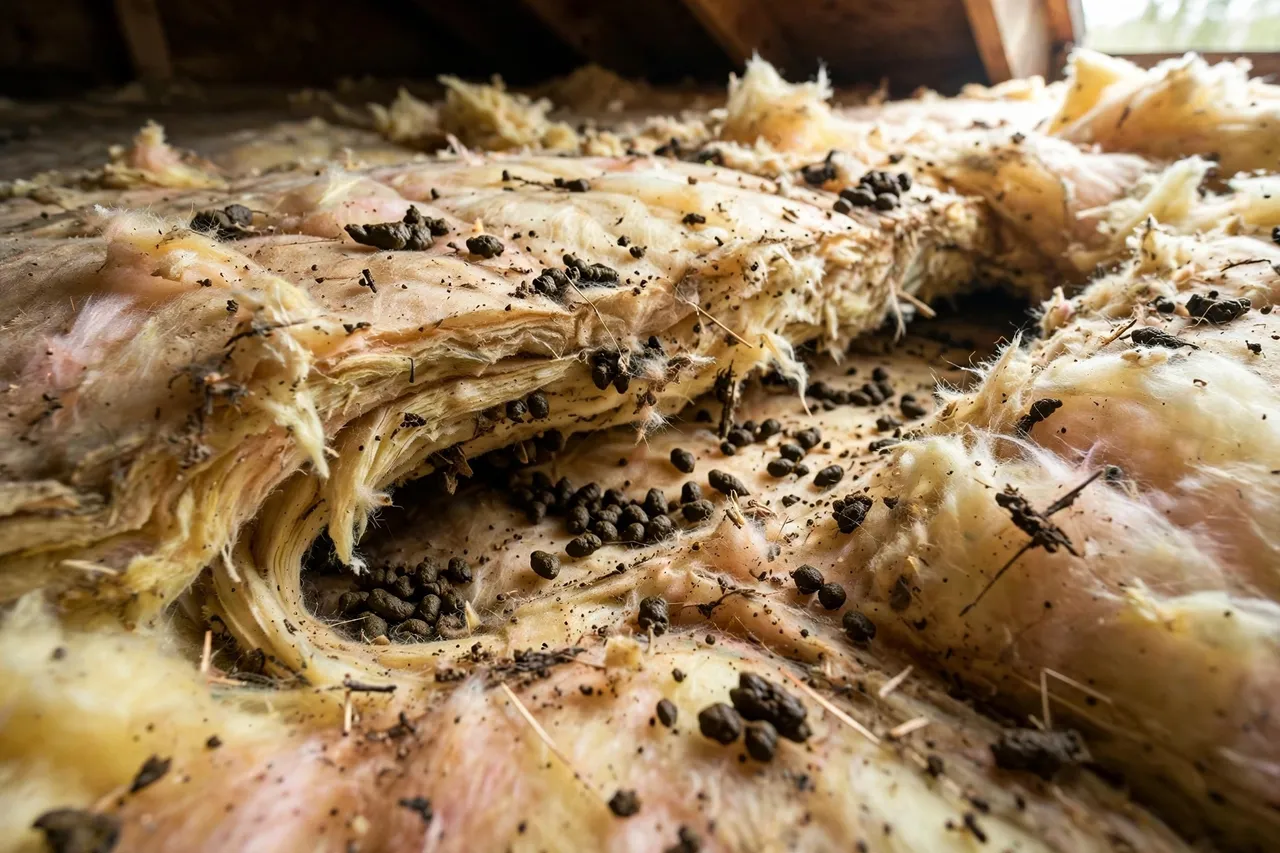
Ask a Provo homeowner where their rodent problem lives and they'll point up. The attic is the number-one rodent zone in Utah County homes, and it isn't hard to see why: it's warm in winter, undisturbed for months at a time, lined with soft insulation that makes perfect nesting, and connected to the roofline — where a thumb-width gap at an eave or an unscreened vent is all a mouse needs.
The pressure is geographic. Provo's east bench sits directly against foothill habitat. Deer mice — the most common rodent in Utah homes — live out there all summer. When fall arrives and nights turn cold, they move toward heat, and the nearest heat is your attic. Fall is the peak season for attic invasions here, and by the time you hear scratching in November, the colony may have been settling in since September. Older homes downtown and in Maeser add a second route: decades-old vents and roofline gaps that were never sealed against anything.
Attic rodent control done properly is three jobs, not one: get the rodents out, clean up what they left behind safely, and close the attic so the next colony can't move into a space that still smells like rodent. Skip the second and third steps and you're just scheduling the sequel.
Attic Services
Attic Cleanup
Safe removal of droppings and nesting, sanitizing of contaminated surfaces, and an honest call on what can be cleaned versus what has to go.
Attic cleanup →Insulation Removal & Replacement
When contaminated insulation has lost its R-value and holds odor, we remove it, seal the attic floor, and install fresh insulation.
Insulation services →How Attic Rodent Control Works
1. Inspect and identify. We start in the attic: species identification from droppings, nesting and runway mapping, insulation condition, and a full entry-point survey of the roofline and vents.
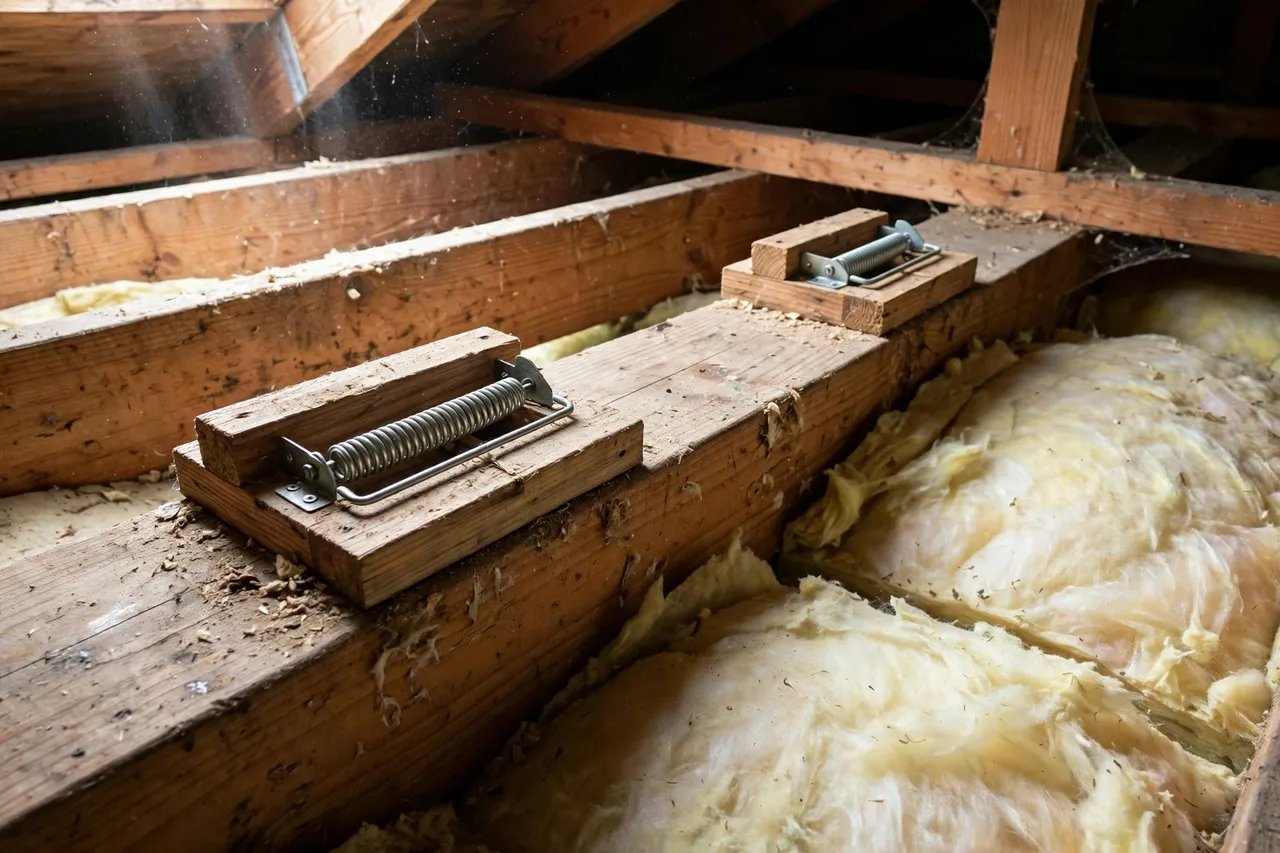
2. Remove. Trapping programs matched to the species and the size of the activity, checked and adjusted over a series of visits until monitoring shows the attic is clear. We avoid poison in attics — dead rodents in insulation and wall voids cause odor problems nobody wants, and poison moves up the food chain to owls, hawks, and pets.
3. Clean. Droppings and nesting removed using hantavirus-safe methods — ventilation first, wet disinfection, protective equipment, nothing dry-swept. Contaminated surfaces sanitized; damaged insulation assessed honestly.
4. Seal. Exclusion work on every entry point found: vents screened, eave and fascia gaps closed, penetrations sealed. This is the step that makes the other three permanent.
A Word on Safety
Deer mice are not house mice with a nicer name. Their droppings can carry hantavirus, a serious respiratory illness, and Utah has documented cases. The risk comes from breathing dust from dry droppings — which is why you should never sweep or vacuum an infested attic yourself, and why any company working in your attic should be ventilating, wetting down material with disinfectant, and wearing protective gear. If a quote for attic work doesn't mention any of that, ask why not.
Attic Rodent Control FAQs
Why do rodents love attics in Provo homes?
Attics offer warmth, shelter, and nesting material with almost no predators. Bench neighborhoods near the foothills — Edgemont, Rock Canyon, Indian Hills — see the heaviest pressure, because deer mice live in the foothill habitat right behind those homes and move in when fall temperatures drop.
Is it dangerous to have mice in the attic?
It can be. Deer mouse droppings can carry hantavirus, contaminated insulation loses heating value and spreads odor through the house, and rodents gnaw wiring. The droppings risk is mainly when dry material is disturbed — which is why cleanup uses wet methods and protective equipment.
Will trapping alone fix an attic rodent problem?
No. Trapping removes the current occupants, but if the roofline and vent entry points stay open, new rodents move in — sometimes within weeks. Durable attic control is removal plus exclusion plus cleanup of the scent trails that advertise the attic to other rodents.
What happens to my attic insulation?
It depends on contamination level. Lightly affected insulation can sometimes be cleaned and sanitized in place. Heavily tunneled, urine-soaked insulation has lost its R-value and holds odor, and removing and replacing it is the honest recommendation.
How long does attic rodent control take?
Removal typically runs over several visits across one to three weeks while traps and monitoring confirm the attic is clear. Exclusion and cleanup follow once activity stops. Anyone promising a permanent fix in a single afternoon is skipping steps.
Do you use poison in attics?
We don't rely on poison in attics. Poisoned rodents die in wall voids and insulation where they can't be retrieved, creating odor problems, and poisoned animals are a risk to pets and wildlife that eat them. Trapping plus exclusion is slower to describe and better in practice.
Quiet Ceilings Start Here
Removal, safe cleanup, and sealing — the full attic job, in the right order. We're on it Mon–Sat, 7am–7pm.
Call (385) 406-1774