 Provo
Provo Rodent Damage Cleanup in Provo, UT
When the rodents are gone, what's left behind is the real problem: droppings, urine, and scent trails. In deer-mouse country, cleaning that up is a health task — and we do it the safe way.
Call (385) 406-1774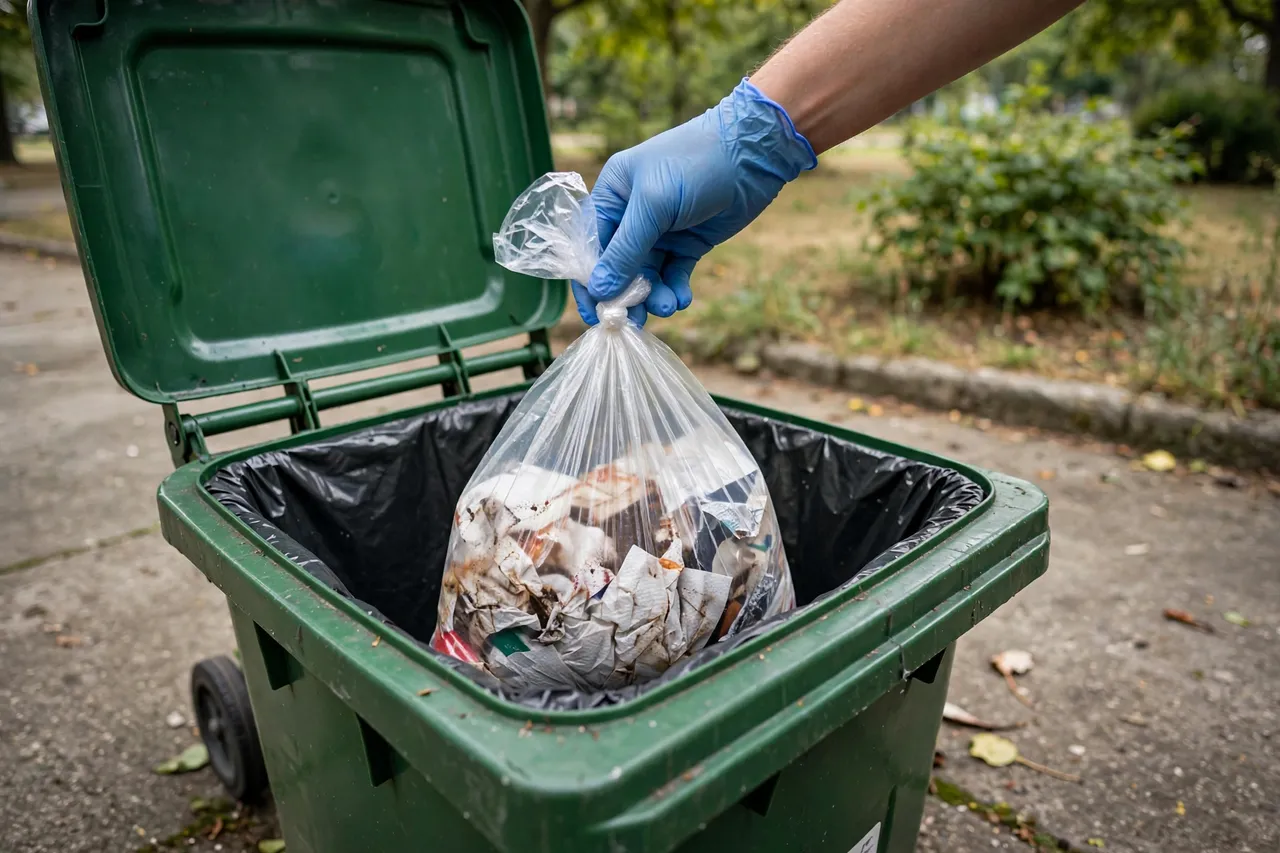
People tend to think of rodent cleanup as janitorial work — sweep it up, spray something, done. In Provo, that instinct is genuinely risky. The rodent that invades Utah County homes most often is the deer mouse, and deer mouse droppings and urine can carry hantavirus. The illness doesn't spread by touching droppings. It spreads when dried droppings are disturbed — swept, vacuumed, scraped — and the resulting dust is breathed in. Utah has documented hantavirus cases. So the cleanup method isn't a detail; it's the difference between solving the problem and aerosolizing it.
There's a second reason cleanup matters, and it's about your next infestation, not your last one. Rodents communicate through scent. Urine trails and pheromone markers along runways tell every passing rodent: this route is safe, this space is established, others lived here. Leave those trails in place and a cleaned, sealed-looking house still advertises itself. Proper cleanup removes the droppings, sanitizes the surfaces, and erases the map the next colony would follow.
We handle cleanup across the whole house: attics, garages, crawl spaces, basements, pantries — and the dead-rodent situations nobody wants to deal with alone. Every job follows the same discipline: ventilate, wet down, protect, remove, sanitize.
Cleanup Services
Droppings Cleanup
The safe method, explained in plain language: why we ventilate, wet with disinfectant, and never dry-sweep — and when DIY is a bad idea.
Droppings cleanup →Urine Contamination Cleanup
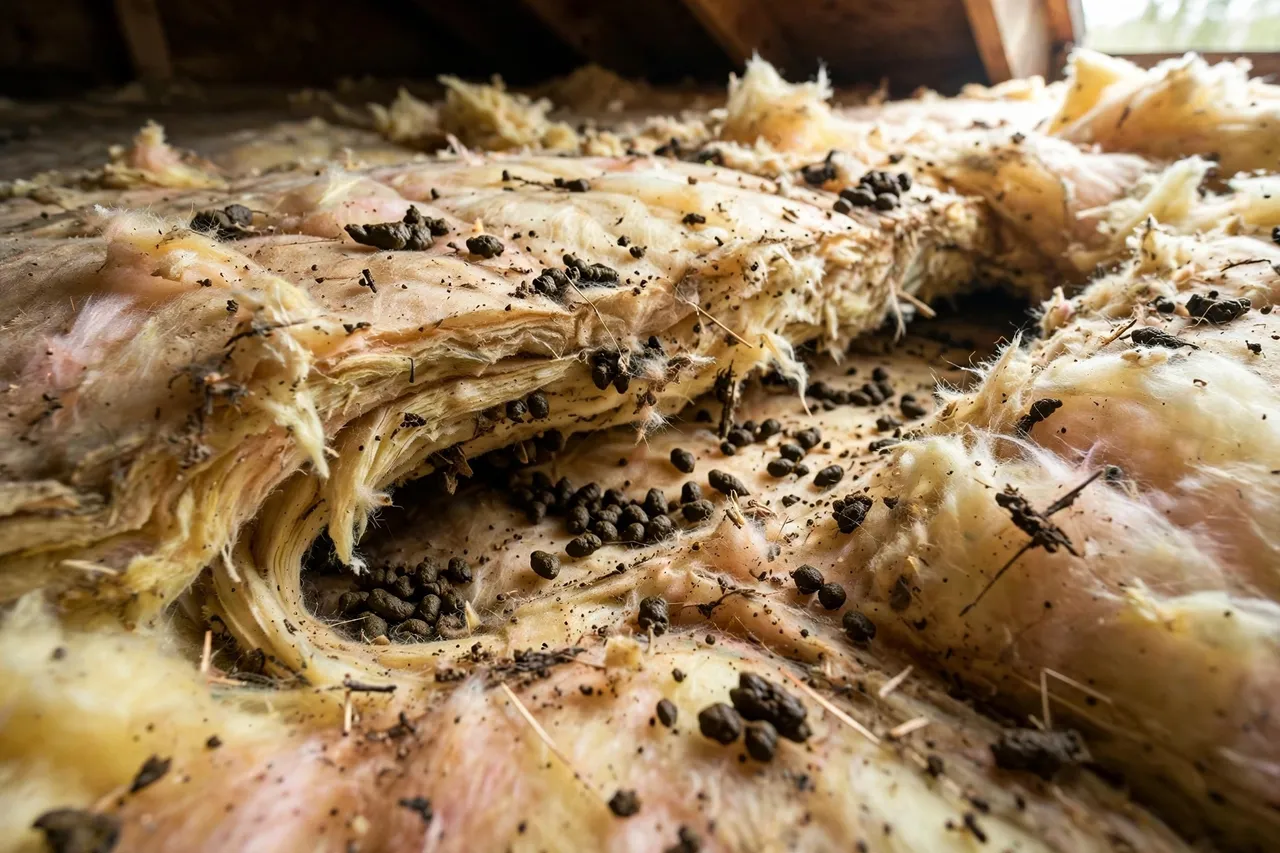
Urine soaked into insulation and wood holds odor and pheromone trails that pull new rodents in. Here's how that contamination is remediated.
Urine cleanup →Our Cleanup Process
Ventilate. Windows, hatches, and vents open; air moving through the space before any material is touched. Fresh air dilutes whatever the last months built up.
Wet down. Droppings, nesting, and debris are soaked with disinfectant and left to sit. Wet material cannot become airborne dust — this step is the heart of safe cleanup.
Remove with protection. Material is picked up by hand with protective equipment, sealed into bags in the work area, and disposed of properly. Carcasses and nesting come out the same way.
Sanitize and deodorize. Surfaces are disinfected and treated to break down the urine and pheromone residues that attract new rodents and cause lingering odor.
Call it honestly. If contamination has soaked deep into insulation or wood framing, surface work won't finish the job — we'll show you the extent and explain when removing material (like contaminated attic insulation) is the real answer.
Safety Is the Service
Everything above exists because of one rodent: the deer mouse. It's small, it's everywhere in Utah County — especially near the foothills and open ground — and its waste is the reason "just sweep it" is bad advice here. If you found droppings in your home, the safest things you can do before we arrive are simple: keep kids and pets out of the area, don't sweep or vacuum it, and if you can open a window in that space, do. We'll handle the rest with the right equipment and the right sequence.
Rodent Damage Cleanup FAQs
Why is rodent cleanup a health task in Utah?
Because deer mice — Utah's most common house-invading rodent — can carry hantavirus in their droppings and urine. The illness spreads when dried material is disturbed and its dust is inhaled, so cleanup method matters as much as thoroughness.
What is the safe way to clean rodent droppings?
Ventilate the space first, wet everything down with disinfectant so nothing becomes airborne, pick up material by hand wearing protective equipment, bag and seal it, then sanitize the surfaces. Never dry-sweep or vacuum droppings.
Can I clean up rodent droppings myself?
A few droppings in an open, ventilated area can be handled carefully with the wet method, gloves, and disinfectant. Large accumulations, attic or crawl-space contamination, and anything involving deer mice at scale should be left to equipped professionals — the exposure risk and the disposal question both grow with volume.
Does cleanup get rid of the rodent smell?
Surface cleaning and sanitizing handles most odor. Deep urine contamination in insulation or wood keeps smelling because the source is inside the material — in those cases removing the material is the real fix, and we'll tell you when that's the situation.
Why do rodents come back to a cleaned space?
Because of scent. Rodents leave urine and pheromone trails that signal a safe, established route to others. Cleanup that removes those trails — combined with sealing entry points — is what breaks the cycle of re-infestation.
What areas of the home do you clean?
Attics, garages, crawl spaces, basements, pantries, and wall-adjacent areas — anywhere droppings, nesting, or urine contamination is found, including dead rodent removal and the cleanup that follows it.
Cleaned Up — Safely
Ventilated, wetted down, protected, sanitized. Cleanup done the way deer-mouse country demands. Mon–Sat, 7am–7pm.
Call (385) 406-1774