 Provo
Provo Just Moved In — and Found Mice
The boxes are still stacked, and the house already has tenants: droppings in the kitchen drawers, scratching over the bedroom the first night, a nest in the garage corner. Provo Rodent Pros handles move-in discoveries across Provo — inspected, removed, and sealed, so the house becomes yours in fact, not just on paper.
Call (385) 406-1774
The Welcome Nobody Ordered
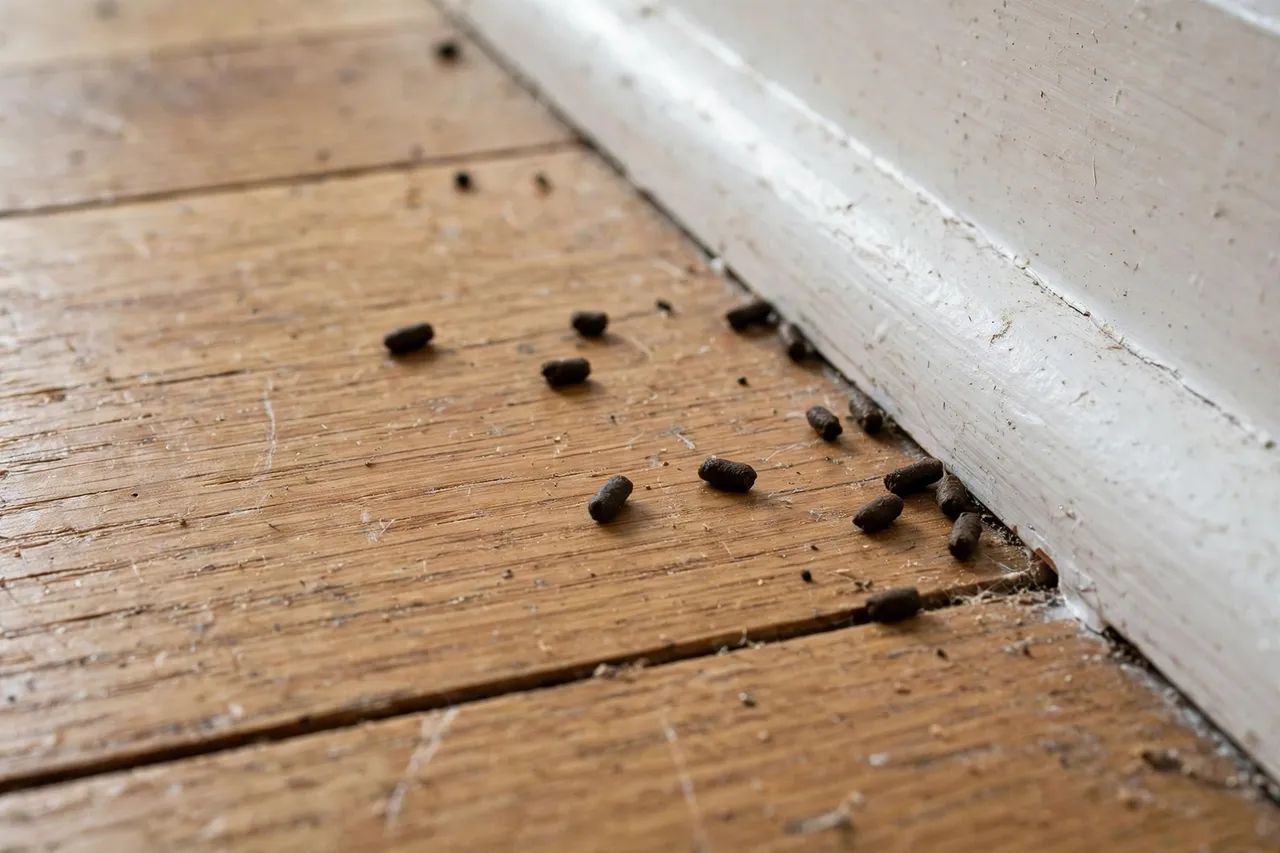
It usually shows up within the first few days. You open a kitchen drawer and find droppings along the back edge; a pantry shelf has shredded paper in the corner. At 2 a.m., something scratches inside the wall or across the attic floor, and the household lies there listening to a house meant to be empty except for you.
First, the reassurance: you did not bring the mice with you, and the house is not doomed. What you have is a timing problem. Between the previous occupants leaving and you arriving, the house sat quiet — no doors, no footsteps, no water running at odd hours. Quiet houses get explored, and a house explored by a deer mouse in September is occupied by October. You simply moved in during the occupation.
Why Move-Ins and Mice Collide in Provo
Provo manufactures move-in rodent problems at industrial scale, for three local reasons. The first is BYU. The student neighborhoods — Joaquin, University, and the blocks south of campus — turn over every semester, each turnover leaving units quiet for days or weeks. Droppings on move-in day are so routine there that experienced landlords schedule around them.
The second is the housing stock. Maeser, Franklin, and Downtown hold some of Provo's oldest homes: settled foundations with hairline gaps, original vent screens rusted thin, utility lines entering through holes nobody sealed. A mouse needs an opening the width of a pencil; a hundred-year-old foundation offers dozens.
The third is geography and season. Bench neighborhoods — Edgemont, Rock Canyon, Oak Hills — sit against deer mouse habitat, and fall move-ins land exactly on the first-freeze ingress, when cold Wasatch nights push mice toward warm structures. A house emptying in September and filling in October stood silent through the highest-pressure weeks of the year. Down in the Riverbottoms, add Norway rats near the water to the same equation.
Your First 48 Hours: What to Do
Photograph before you clean. Dated photos of droppings, nesting, and gnawing are evidence — for a landlord, for a seller conversation, and for us.
Move food into hard containers. Pantry staples in glass, metal, or heavy plastic with real lids. A mouse problem shrinks fast when the buffet closes.
Keep kids and pets out of the attic and crawl space. Until you know what is up there, those spaces are off limits.
Do not dry-sweep the droppings. Utah deer mice can carry hantavirus; sweeping dry droppings is precisely the exposure route. Ventilate, wet down with disinfectant, glove up — or leave it for the cleanup visit.
Skip the trap-only response. A snap trap may catch the scout; it will not find the foundation gap or the route in. Traps are step two of a plan, not a plan.
How We Make a New House Actually Yours
We start with a whole-home inspection — attic, crawl space, garage, utility entries, exterior shell — that answers four questions: what species, how much activity, where they live, how they get in. The attic inspection matters most here: new owners almost never see the attic before closing day.
From there: removal of the animals inside, entry-point sealing that closes the routes the inspection found, and droppings cleanup where accumulation warrants it. Because you are living in the house meanwhile, we sequence the work tight — no projects trailing across your first month. When we leave, you get the findings in writing: what was found, what was done, what to watch for in the first season.
Renting? Read This Part Too
If the move-in is a rental, the responsibility question comes first: a rodent problem present at move-in is generally the landlord's to fix under Utah habitability expectations, and your dated photos plus a written notice start that clock. Our guide to landlord pest-control responsibility in Utah walks through it; our moving-to-Provo guide covers what to check first. One call from either side of the lease gets the inspection scheduled.
Move-In Rodent FAQs
We just moved in and keep finding droppings. Where do we start?
Start with a whole-home inspection, not traps. Droppings tell you rodents are present; an inspection tells you which species, how many, where they are living, and — most important — how they are getting in. Until the entry points are found, every mouse you catch is replaced by the route that brought it. Photograph what you are finding in the meantime; dated photos help if a landlord or seller is part of the conversation.
Is it safe to clean up mouse droppings ourselves?
Small amounts, handled carefully, are a normal homeowner task — but never dry-sweep or vacuum droppings. Utah deer mice can carry hantavirus, and dry disturbance is exactly how the risk happens. Ventilate the space, wet droppings down with disinfectant, wear gloves, and bag debris. For attic-wide contamination or heavy accumulation, that is a cleanup job, not a chore — call us and we will handle it as part of the visit.
We are renting — is this our problem or the landlord's?
In Utah rentals, keeping a unit habitable — which includes a rodent problem that was present when you moved in — is generally the landlord's side of the ledger. Tell your landlord in writing, with photos, as soon as you find signs. Most Provo landlords act quickly once they see dated evidence, and we work with landlords and managers across Utah County on these calls.
How long does it take to rodent-proof a house we just bought?
The inspection comes first, scheduled when you call. Removal and sealing follow back-to-back — for most single-family homes the sealing itself is one visit, once traps have done their part and access is clear. Attic cleanup or extensive gaps take longer; we will give you the honest sequence after seeing the structure.
The seller never mentioned mice. Is this common in Provo?
Very common, and usually not dishonest. A house sits quiet between listing and closing — the exact condition that invites mice in — and attic signs are easy to genuinely miss. Most move-in discoveries are a vacancy problem that arrived after the seller left. The fix either way: inspect, remove, seal, document.
Related Scenarios & Services
The House Sat Empty
Your problem started during the vacancy — see how rodents take over quiet houses.
Vacant home rodents →Selling a Home?
The mirror image of your move-in: what sellers should do when signs surface before listing.
Before you sell →Rodent Inspection
The inspection that starts every fix: species, activity, entry points, a written plan.
Book an inspection →New House, Old Tenants? Evict Them Properly
Call for a move-in inspection; we will sequence removal and sealing around your unpacking. Documentation in writing, every visit. Mon–Sat, 7am–7pm.
Call (385) 406-1774