 Provo
Provo How to Seal Entry Points and Keep Rodents Out
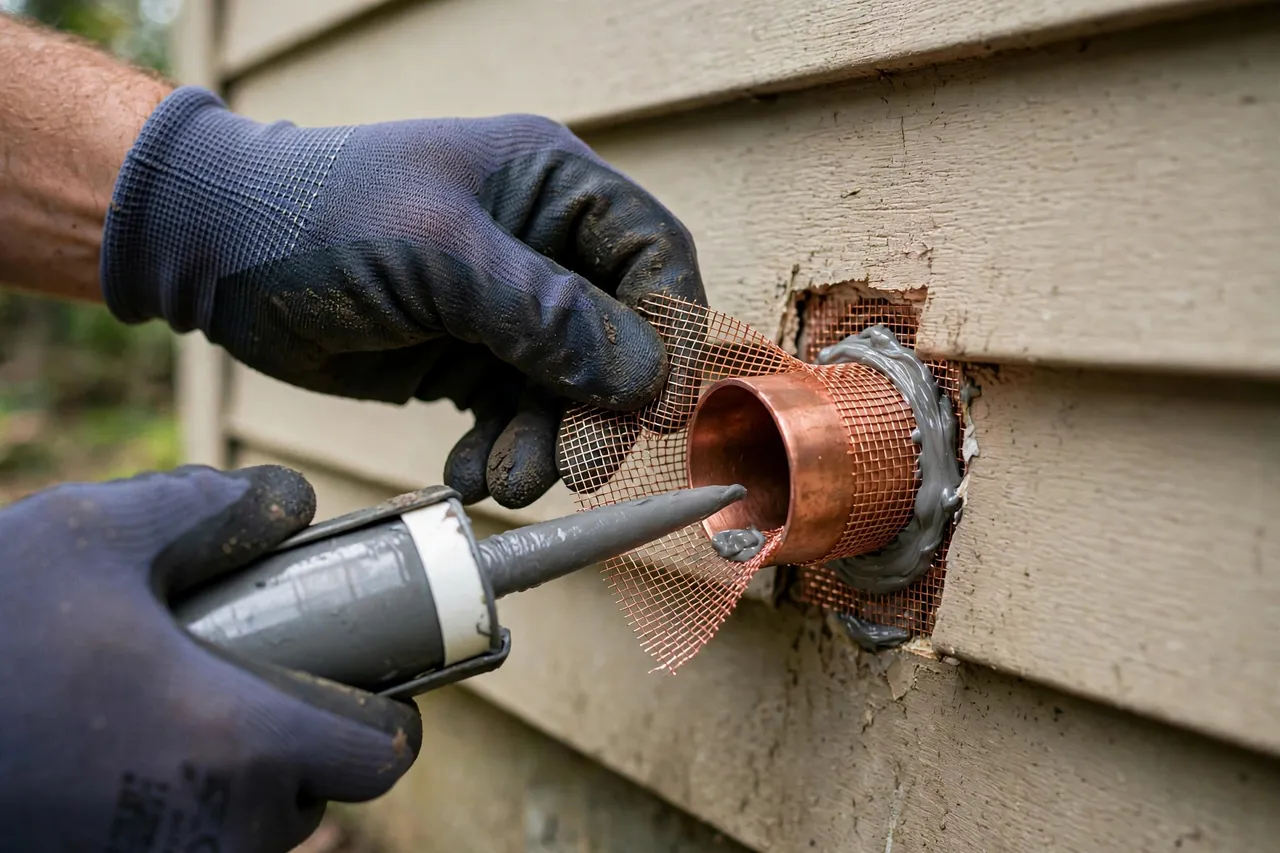
Traps catch the mice you have. Sealing keeps out the mice you would have gotten next month. Exclusion — closing the holes rodents use — is the one part of rodent control that actually ends the cycle, and a good share of it is DIY-able for a Provo homeowner with a free Saturday, the right materials, and a systematic walk around the house. This guide covers what size gaps matter, which materials genuinely work, and how to inspect your home the way a professional would.
Know Your Gap Sizes
A mouse can pass through an opening about the width of a pencil — a quarter inch. A rat needs roughly a half inch, and both species will gnaw softer materials to enlarge a promising hole. That means your standard is strict: every gap a quarter inch or wider, anywhere food smells and warm air escape, is a candidate entry. Warm air matters more than people realize — on a cold Wasatch night, air leaking from a pipe penetration literally advertises the heated void behind it.
Materials That Work — and the One That Doesn't
Copper mesh is the professional's favorite for irregular gaps around pipes and wires. It packs tightly, never rusts, and rodents won't chew it. Quarter-inch galvanized hardware cloth is the right choice for vents, crawl-space openings, and larger holes — holes small enough that mice can't pass, rigid enough that rats can't flex it. Steel wool, packed in hard and then sealed, works for small gaps, though it can rust in damp locations; copper is better anywhere moisture is present. Use quality sealant or foam only as a finish over a metal barrier — it weatherproofs the repair and holds the packing in place.
Expanding foam by itself does not work. Mice chew through cured foam in minutes, and a foam-only patch is often the first thing we remove on a job. The same goes for plastic vent covers, wood filler in exterior gaps, and caulk alone in anything wider than a hairline crack. The rule is simple: if a rodent's teeth can defeat it, it is not a barrier — it is a delay.
The Full House Walk
Work the house in zones, flashlight in hand, and note every penetration. Sealing as you go is fine for small stuff; mark the bigger jobs.
Garage first. More Provo mice enter through garages than any other door. Check the bottom corners of the garage door — the side seals wear and shrink, leaving exactly the triangular gap mice love. Check where the garage meets the house, the door from garage to living space (it needs a tight sweep), and stored items along the walls that hide the wall base. Our entry point sealing service starts in the garage for this reason.
Utility penetrations. Walk the exterior and find every place something passes through the wall: water spigots, the AC line set, gas and electrical entries, dryer vents, cable and internet lines, and cleanouts. Each one was drilled bigger than the pipe it carries. Pack and seal each annular gap.
Vents and foundation. Foundation vents and crawl-space access panels need intact hardware-cloth screening. Check the sill plate — the seam where the wood framing sits on the concrete foundation — for settling cracks and gaps, especially on older homes near downtown Provo and the Joaquin and Maeser neighborhoods. Mortar or backer rod plus sealant handles most of these.
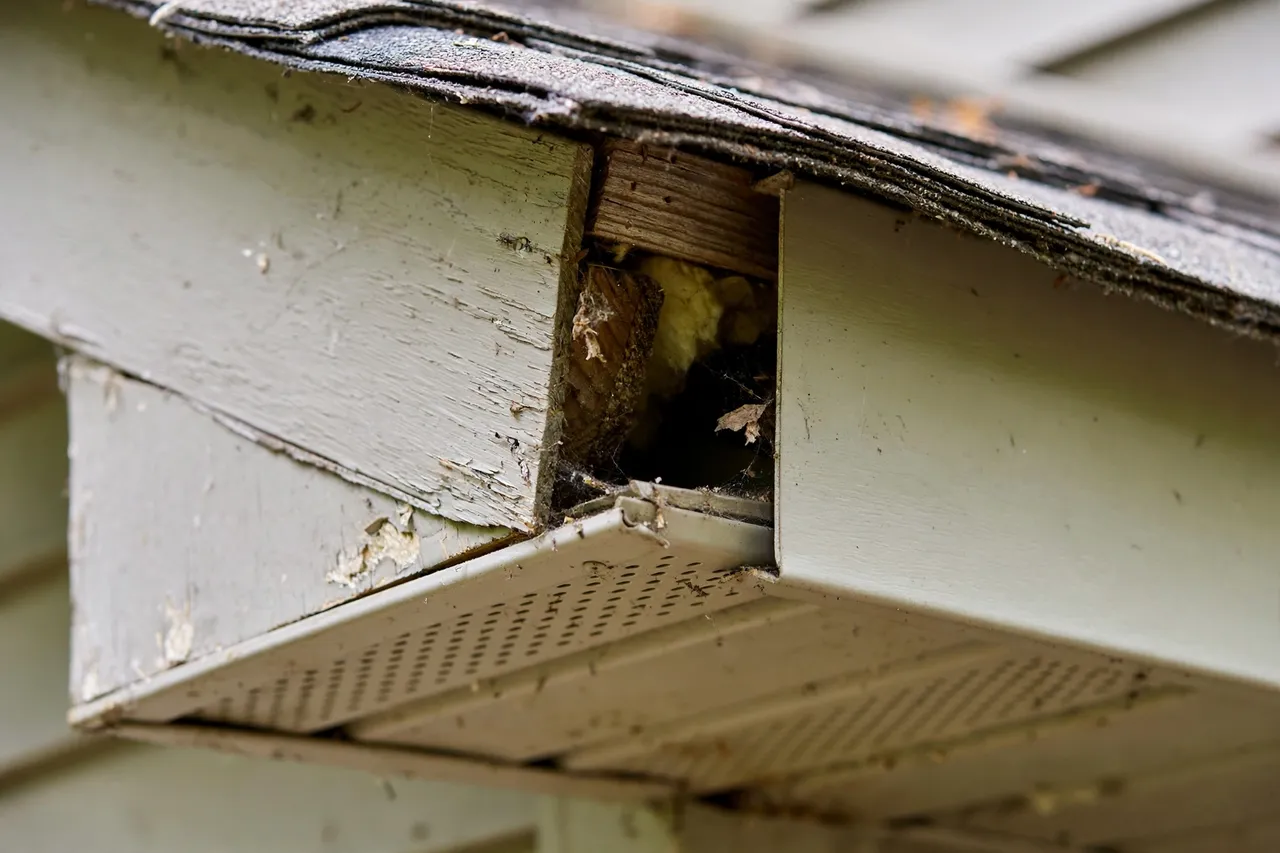
The roofline. This is the zone homeowners miss. Where roof planes meet, at eaves and soffit returns, and around plumbing vent stacks and chimneys, gaps let mice (and in bench neighborhoods, climbing deer mice) reach the attic. Roof rats are rare in Utah, so this is about mice, not rats — but attic access is how a ground-level mouse problem becomes a ceiling-noise problem. Binoculars from the yard will show you most problem spots; a ladder shows the rest.
Doors, Windows, and the Obvious Stuff
Fit sweeps to exterior doors — if you can see daylight under it, a mouse can use it. Check basement window wells and their covers, and screen any window that stays open in summer. Pet doors with worn flaps are open invitations; replace warped flaps and consider locking them at night during an active problem.
When to Call a Professional Instead
DIY sealing has honest limits. Call a pro when the entry points are on a steep or two-story roofline, when you can hear activity but cannot find the route (rodents often enter at one point and travel far inside walls), when the problem involves a crawl space or attic you can't safely work in, or when you've sealed everything you can find and activity continues — that usually means a hidden penetration behind siding, under a deck, or below grade. A professional rodent inspection uses experience with Utah County construction styles to look where a first-time walk-through doesn't. There's no shame in it: we regularly find the one gap that three weekends of DIY missed.
Seal methodically, use metal and masonry rather than foam and hope, and re-walk the house every fall before the cold pushes mice in. It is the highest-value rodent work a homeowner can do.
Frequently Asked Questions
What is the smallest gap a mouse can fit through?
About a quarter inch — roughly the width of a pencil. Rats need about a half inch. Any opening that size or larger around pipes, vents, garage doors, or the roofline should be treated as a possible entry point.
Does expanding foam stop mice?
Foam alone does not stop mice — they chew through it easily. Foam works only as a backing and sealant over a chew-proof barrier such as copper mesh or hardware cloth packed into the gap first.
What materials actually keep rodents out?
Copper mesh, quarter-inch galvanized hardware cloth, steel wool packed tight and sealed, metal flashing, and concrete or mortar for foundation cracks. Rodents cannot chew through metal or masonry, so the barrier material matters more than the sealant.
Keep Reading
What Attracts Mice Into Homes?
Food, water, shelter, and warmth — remove the reasons mice want in.
Read →Keep Mice Out of the Attic Before Winter
The fall checklist for Provo attics before the cold arrives.
Read →Sealed Everything and Still Hearing Scratching?
There's a gap you're not seeing. We'll find it, close it, and clear out the mice already inside.
Call (385) 406-1774