 Provo
Provo Keep Mice Out of Your Attic Before Winter
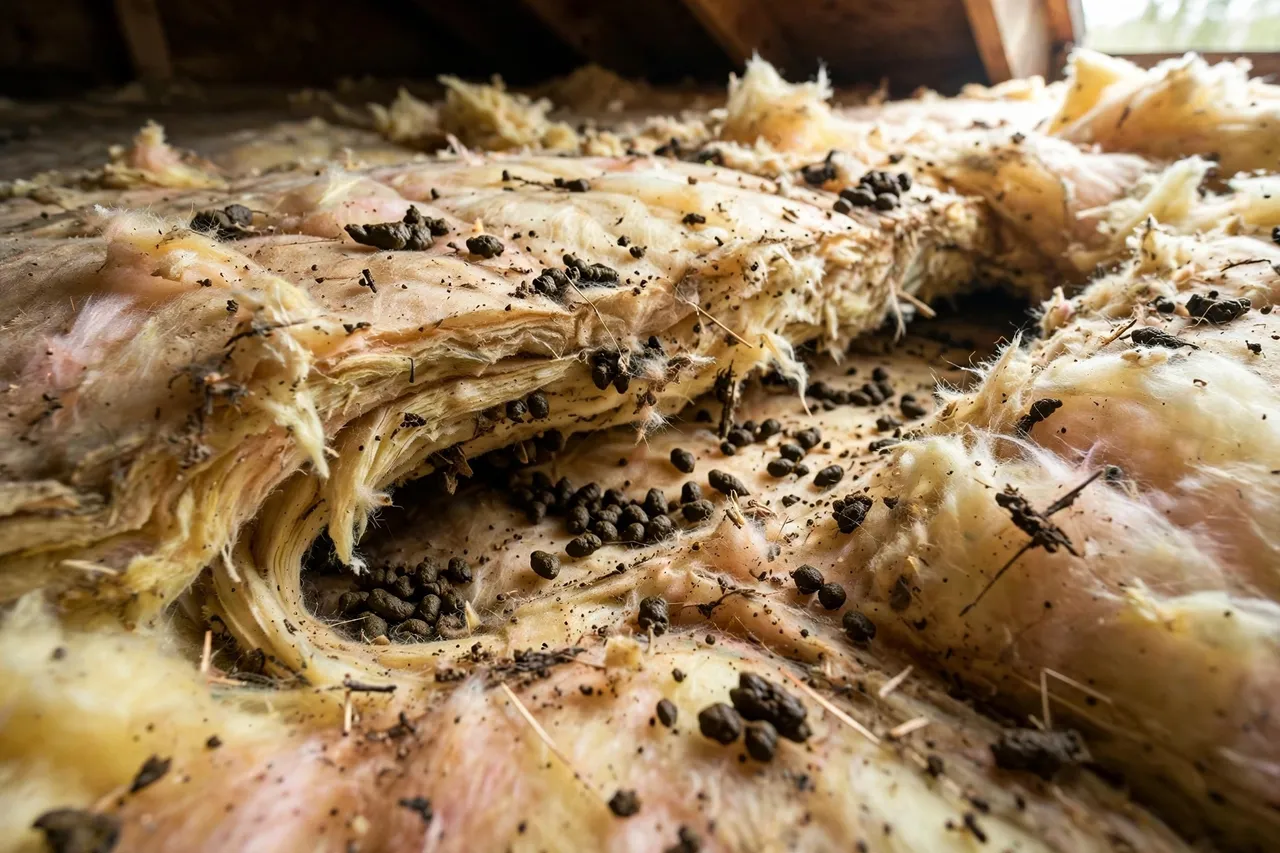
Every fall in Provo, the same race runs itself: temperatures fall off the Wasatch bench, mice start testing houses for a winter home, and homeowners either seal up in time or spend January listening to scratching overhead. The good news is that mice are predictable. They use the same kinds of gaps on almost every house. Work through this checklist in September or October and you close the doors before the rush arrives.
Start at the Roofline
Most attic infestations do not start at the ground — they start at the roof. Mice climb remarkably well: a downspout, a brick or textured wall, a tree branch touching the eave, and they are on the roof looking for the gaps every roof has. Check where the roof meets the walls (the eave and soffit line), around plumbing vents and exhaust stacks, at roof valleys, and anywhere two roof planes join. Look for daylight gaps, loose flashing, and openings around the chimney. Gaps at the roofline are the number one attic entry we find in bench neighborhoods, where deer mice come in from the foothills side.
Vents: Screened or Open?
Attic vents, gable vents, and foundation vents are designed to move air — and they are supposed to be screened. Screens fail. They rust, tear, get chewed, or were never installed well in the first place, especially in older Provo homes. Inspect every vent from outside and, where you can, from inside the attic. Replacement screening should be sturdy metal mesh with openings small enough to exclude a mouse — standard insect screen is not enough on its own. Dryer vents and bathroom exhaust outlets deserve the same look; a stuck-open flapper is an invitation.
The Garage: The Usual Front Door
If the roofline is door number one, the garage is door number two — and the two connect, because most attics are reachable from the garage. Check the bottom corners of the garage door where it meets the concrete; that corner gap is the single most common mouse entry we find in Utah County. A worn door seal or a slab that has settled leaves exactly the pencil-width opening a mouse needs. Also check the pedestrian door into the house, the gap around any pipes or conduit passing through the garage walls, and stored items against the walls — clutter touching the wall gives mice covered highways. Seal the corners, replace tired seals, and store birdseed and pet food in metal containers with lids, not bags on the floor.
Yard Habits That Lower the Pressure
Sealing is the main event, but yard habits decide how many mice come to test your seals. Move firewood away from the house and stack it off the ground — a woodpile against the siding is a mouse hotel with a short commute. Trim tree branches back from the roofline so the roof is not reachable by branch. Pick up fallen fruit promptly if you have fruit trees (plenty of Provo yards do), rake out leaf litter and dense ground cover against the foundation, and avoid feeding birds right next to the house through fall — spilled seed is mouse food at mouse height.
Timing: Before the First Snow, Not After
The fall push in Provo builds through October as nights cool, and by the first lasting snow the mice that found shelter are settled. Sealing in early fall takes a weekend afternoon per area; dealing with an established attic infestation in January means removal, cleanup of droppings and nesting, and then the same sealing work — around animals. If you would rather not climb around your own roofline, our exclusion service does this systematically, and an attic inspection will show you exactly which of these gaps your house has. One more Utah note: if you find old droppings while you work, do not dry-sweep them — ventilate and wet-clean, per our safety guide.

Quick Questions
When is the best time to mouse-proof in Provo?
Early fall — September into October — before nighttime temperatures consistently drop and the main push indoors begins. Sealing in fall means the mice testing your home find it closed. Sealing in January means doing the same work around an established infestation.
Can I just use foam to seal the gaps?
Foam alone will not hold. Mice chew through expanding foam quickly, and they treat foam-filled gaps as marked doors. Foam works as a backer when it is combined with copper mesh, steel wool alternatives rated for exclusion, or metal flashing — the chew-proof layer is what makes the seal.
I already hear scratching. Is it too late for this checklist?
Not too late, but the order changes: remove the mice first, clean up, then seal — sealing with mice inside traps them in the walls, which creates a worse problem. Call for an inspection and we will sequence it correctly.
Keep Reading
Why Mice Move Indoors Every Wasatch Fall
The temperature, food, and shelter drivers behind the October push.
Read the post →Seal These Entry Points to Keep Rodents Out
A room-by-room tour of the dozen gaps mice actually use.
Read the post →Signs of Mice in Your Provo Home
How to tell whether mice are already inside before you seal.
Read the post →Want the Checklist Done For You?
Our exclusion service seals the roofline, vents, and garage the right way — before winter. Call Provo Rodent Pros, Mon–Sat, 7am–7pm.
Call (385) 406-1774