 Provo
Provo Mice in the Kitchen & Pantry in Provo, UT
Droppings in the silverware drawer or along the pantry shelves is where a mouse problem stops being a nuisance and starts being a health issue. We get them out and seal the way in.
Call (385) 406-1774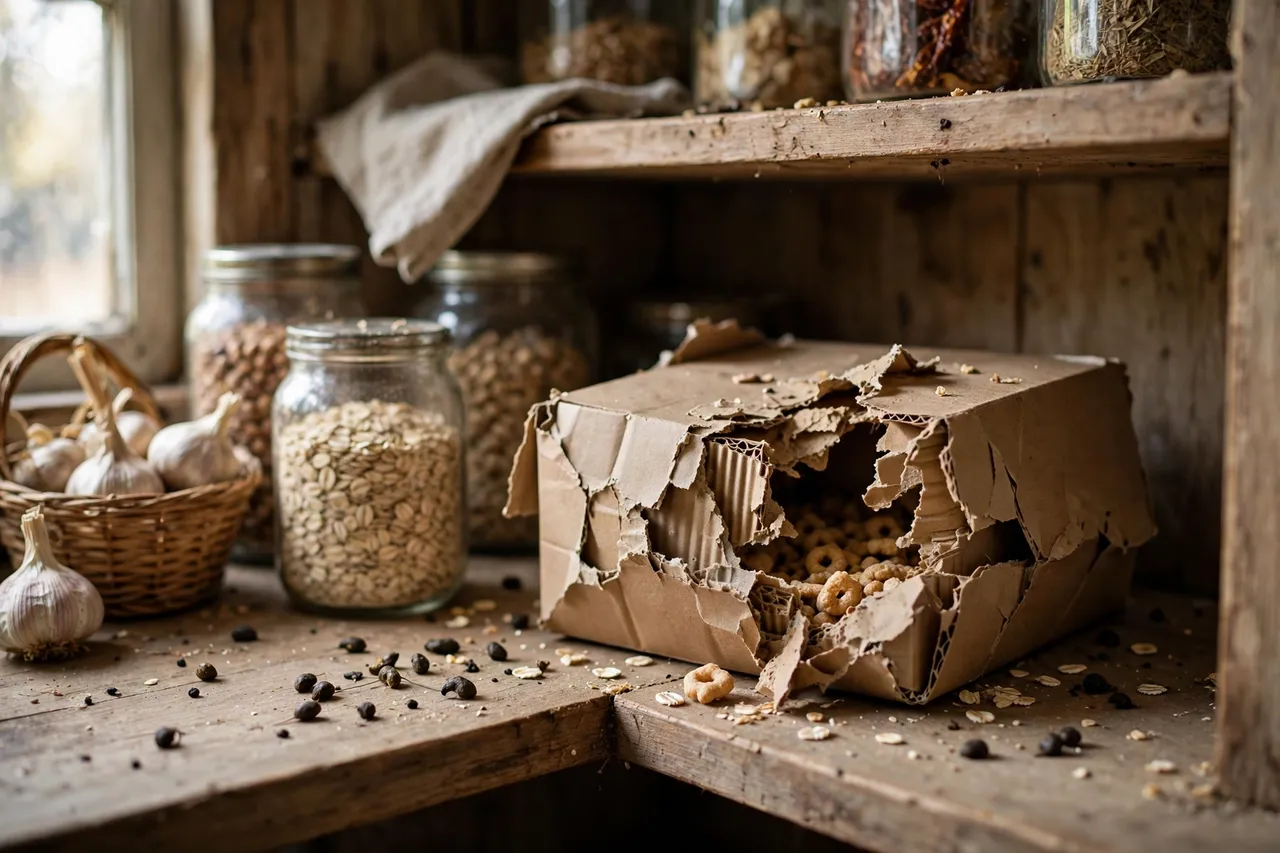
Of all the places mice turn up, the kitchen is the one nobody tolerates — and for good reason. Mice do not pass through a kitchen; they move in because the kitchen provides everything in one room: food at floor level, water under the sink, warmth behind the appliances, and wall voids full of plumbing gaps that function as private entrances. A mouse working your pantry contaminates far more food than it eats, trails urine across the surfaces it crosses, and gnaws into anything stored in cardboard, bags, or thin plastic.
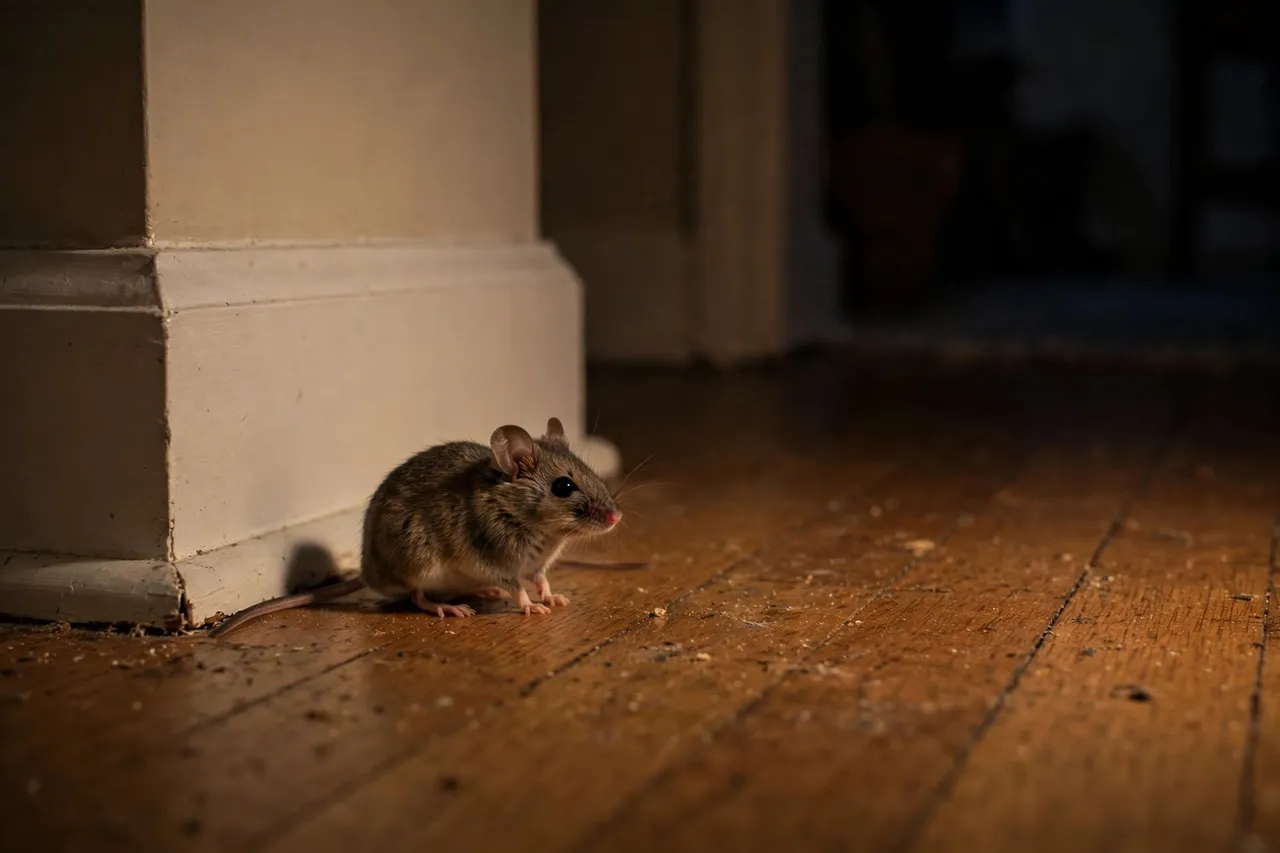
In Provo homes, kitchen mice are most often house mice living within a few feet of the food — behind the stove, in the dead space under the cabinets, in the wall behind the pantry. Older homes near downtown and BYU are the classic setting, with decades-old plumbing penetrations and settled cabinetry, but any home with a dog-food bag in the pantry or a bird feeder outside the kitchen window can join the list. The fix has three parts: remove the mice, clean the space safely, and close the plumbing gaps they used — miss the third and the first two are wasted effort.
Mice in the Kitchen & Pantry, Done Right
Kitchen work is detail work. The entry points are hidden inside cabinet floors and behind appliances, the food has to be audited honestly, and the cleanup has to be done without scattering contamination across the room where you cook. Done right means traps placed where mice actually travel (along the back edges and toe-kick voids, not in open floor), a clear-eyed food purge, wet-method cleaning, and every pipe and wire penetration sealed with chew-proof material. Done wrong — a couple of traps and a shrug — you will be finding droppings again by the next grocery run.
How We Get It Done
Trace the routes. We check under the sink, behind the stove and dishwasher, inside cabinet corners, and along the pantry walls for droppings, gnaw marks, and rub marks. Mice hug edges and reuse the same paths nightly, which makes their routes easy to confirm and target.
Trap where they travel. Traps go along those routes — behind appliances, at cabinet base gaps, beside plumbing entries — and are checked and reset through the removal period until the kitchen is clear.
Audit and secure the food. We walk the pantry with you: what must be thrown out, what can be washed and kept, and what needs to move into glass, metal, or heavy sealed containers. Pet food and bird seed get the same treatment — they are the two most common reasons kitchen mice stay.
Clean safely. Droppings and contaminated surfaces are disinfected wet and wiped up — never dry-swept or vacuumed, since Provo kitchens can host deer mice as well as house mice. Drawers get emptied, cleaned, and lined only after the mice are gone.
Seal the plumbing. The gaps around sink pipes, dishwasher and gas lines, and refrigerator water lines are packed and sealed with materials mice cannot gnaw through. This is the step that turns a cleaned kitchen into a mouse-free one.
Signs You Need Kitchen Mouse Removal
Droppings in drawers, under the sink, behind the toaster, or on pantry shelves; gnawed corners on cereal boxes, flour bags, or pet food; scratching sounds from the wall behind the kitchen or the cabinets at night; a mouse seen darting from under the stove or fridge to the wall; nesting material — shredded paper towels, insulation — in the back of a low cabinet; and a pet that has suddenly become obsessed with one appliance. Take any one of these seriously. Because mice contaminate as they travel, a kitchen problem is never just cosmetic, and droppings near food preparation areas deserve a faster response than mice in a shed.
Honest Advice Before You Book
Tonight, before anything else: move dry goods into hard containers, get pet food off the floor and into a sealed bin, and throw out anything with droppings on it or gnaw marks in it. Set traps along the wall behind the appliance where you saw activity. Those steps genuinely help and we would tell any neighbor the same. Where kitchen jobs go beyond DIY is the hidden half — the mice are entering through plumbing gaps inside cabinets and walls that traps cannot guard forever, and an established group nesting behind the stove will out-breed casual trapping. Call us when droppings keep appearing after a week of your own traps, when activity shows up in more than one room, or when you would rather the cleanup and the sealing be handled in one visit instead of becoming a second job in the room where you cook.
Mice in Kitchen & Pantry FAQs
What food do I have to throw away if mice got into the pantry?
Anything the mice could have touched or gnawed: opened packages, anything in soft packaging like flour bags, cereal boxes, and pasta, and anything with droppings on or around it. Mice urinate as they travel, so contamination extends beyond visible damage. Sealed cans and jars can be kept — wash the outside before opening. When in doubt, throw it out; a bag of flour is not worth an argument with your stomach.
How do mice get into the kitchen specifically?
Usually from the walls. Kitchens are plumbed, and every pipe that passes through a cabinet floor or wall leaves a gap larger than the pipe itself. Mice travel the wall voids and exit under the sink, behind the dishwasher, and behind the stove — arriving directly in food territory. Gas lines, garbage disposal wiring, and refrigerator water lines each add another doorway. Sealing those penetrations is a core part of fixing a kitchen mouse problem.
How should I clean a drawer or shelf where I found droppings?
Do not sweep or vacuum droppings dry — disturbing them is how dust from droppings (including from deer mice, which can carry hantavirus) becomes airborne. Spray the area with a disinfectant or a fresh bleach solution, let it soak for a few minutes, then wipe everything up with disposable paper towels, bag them, and wash your hands. Dishes and utensils that were in the drawer should go through a hot wash or the dishwasher.
Will storing food in containers really make a difference?
Yes — it is one of the highest-value fixes you can make. Mice can gnaw through cardboard, thin plastic, and bags in minutes, but glass jars, metal canisters, and heavy sealed plastic bins stop them cold. Moving dry goods, pet food, and bird seed into hard containers removes the food reward that keeps mice returning to your kitchen even after trapping has thinned them out.
Related Mice Control Services
Mice Control
The full service — whole-home inspection, removal, exclusion, and prevention.
Mice Control →House Mouse Control
The species that lives closest to your kitchen — behavior, breeding, and removal.
House Mouse Control →Mice in Walls
The hidden half of most kitchen problems — the wall voids the mice travel to reach your food.
Mice in Walls →Droppings Where Your Food Lives?
That one shouldn't wait. Call Provo Rodent Pros — we'll clear the kitchen, clean it safely, and seal the plumbing gaps behind the problem.
Call (385) 406-1774