 Provo
Provo Are Mouse Droppings Dangerous? An Honest Answer
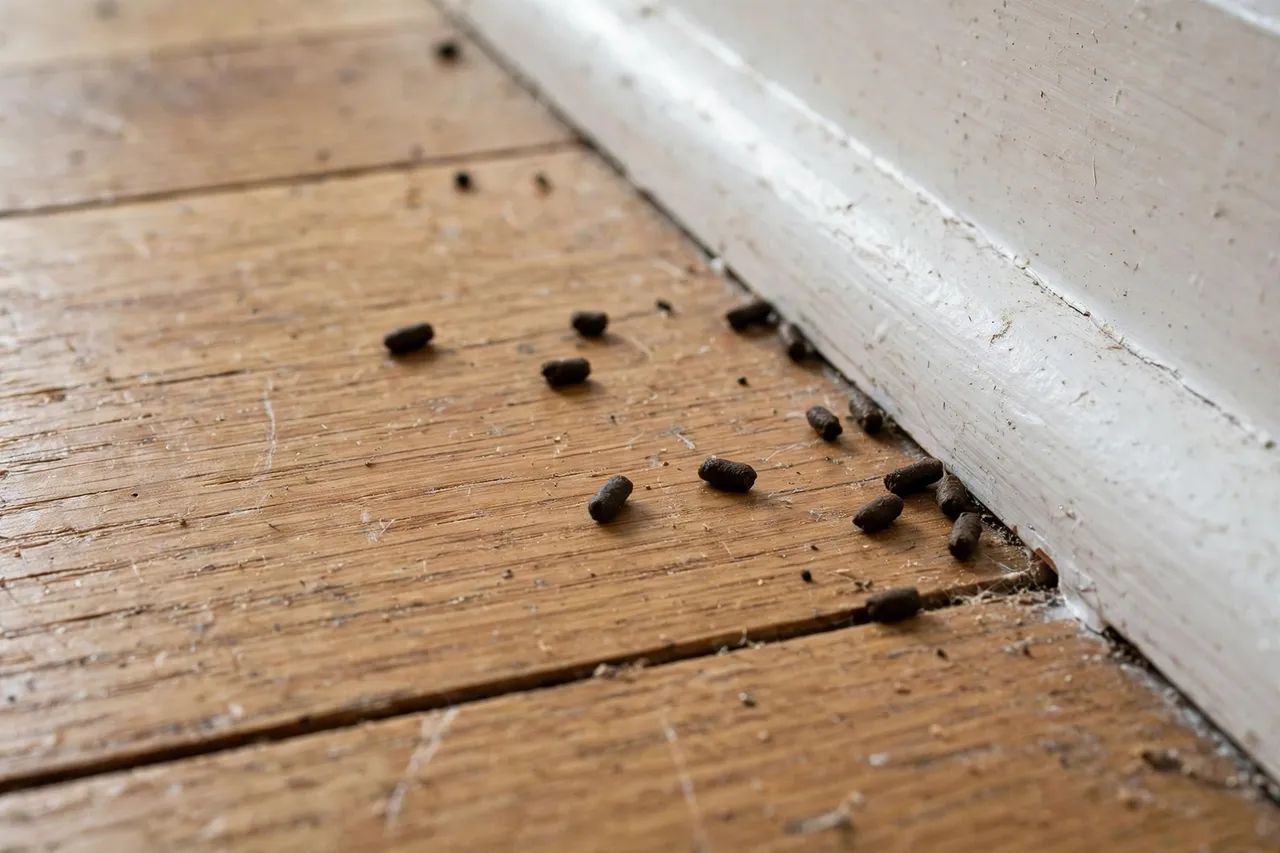
Finding a scatter of dark, rice-sized pellets in a cabinet or along a garage wall is unsettling, and the internet tends to answer the next question in extremes — either "it's nothing" or full hazmat panic. The honest answer is in the middle: mouse droppings are a genuine health consideration, mainly because of how contamination spreads, and the risk is very manageable when you clean up the right way. Here is the real picture for Provo homes, without invented numbers and without scare tactics.
The Main Risk in Utah: Hantavirus and Deer Mice
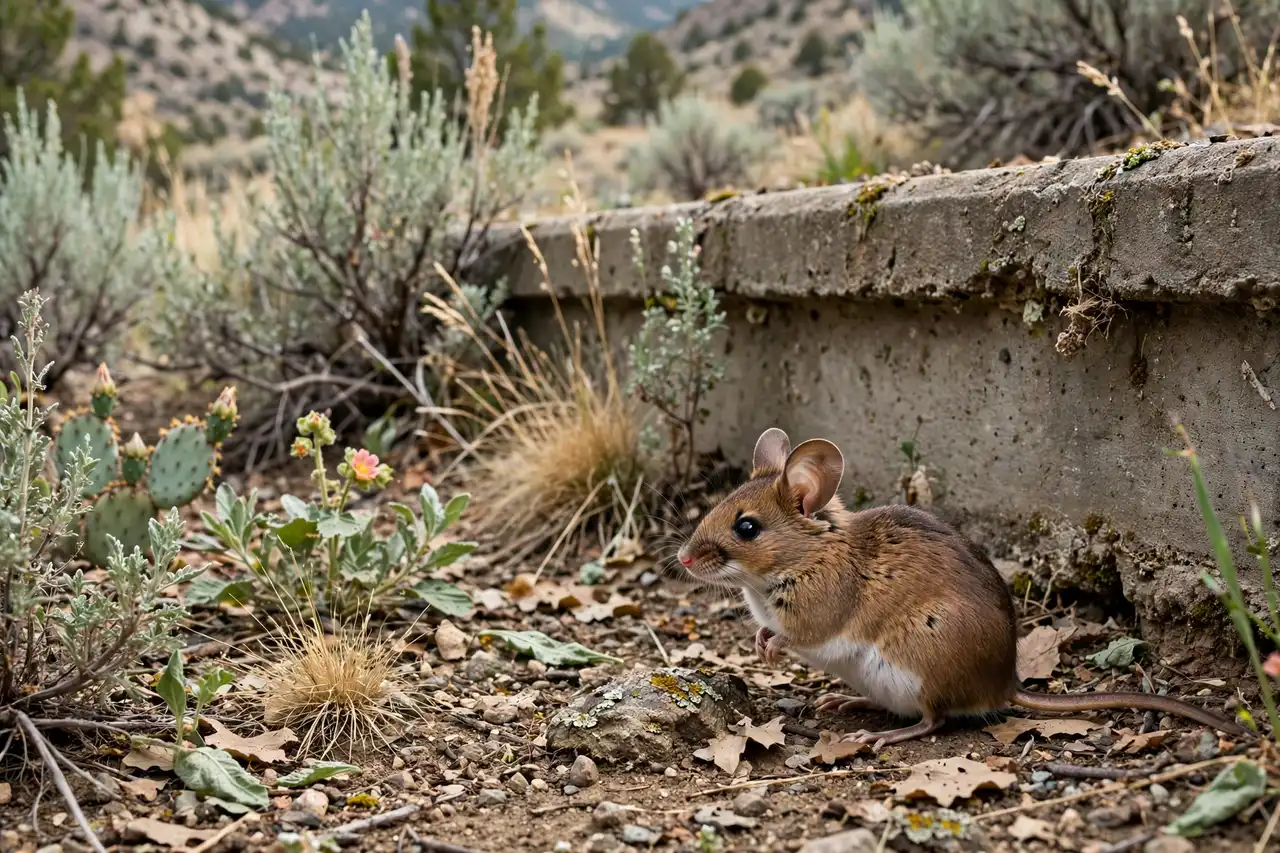
The droppings that deserve the most respect in Utah belong to the deer mouse — our most common indoor rodent — because deer mice can carry hantavirus. Infection is rare, but it is serious, and it happens in a specific way: dried droppings, urine, or nesting material are disturbed, tiny particles become airborne, and they're breathed in. That mechanism is why cabins, sheds, garages, and storage areas that sat closed for months are the classic exposure setting — and why the cleanup rules below exist. This is general information, not medical advice; anyone who develops flu-like symptoms after a heavy exposure should contact a medical professional or public health line and mention the exposure.
Other Germs Rodents Carry
Beyond hantavirus, rodent droppings and urine can contaminate surfaces with bacteria such as salmonella and leptospirosis. The practical risk in a home is mundane — contaminated pantry surfaces, food packaging chewed open, droppings where dishes are stored. This is less about a single pellet and more about an active infestation living where your food lives. It's also one reason a drawer full of droppings under the kitchen sink deserves prompt attention rather than a shrug. Our droppings cleanup service exists for exactly these situations.
Safe Cleanup, Step by Step
For a small, fresh scattering — a few pellets in a cabinet or corner — careful DIY cleanup is reasonable:
1. Ventilate. Open windows and doors to the space for at least 30 minutes before you start, and leave while it airs.
2. Gear up. Wear rubber or disposable gloves and a well-fitting mask or respirator.
3. Wet it down. Spray the droppings and the area around them with disinfectant or a bleach solution until thoroughly soaked, and let it sit several minutes. This is the critical step — wet droppings don't aerosolize.
4. Wipe, don't sweep. Never dry-sweep and never run a household vacuum over droppings — both launch particles into the air. Wipe everything up with paper towels.
5. Bag and disinfect again. Seal the waste in a bag, place it in an outdoor bin, disinfect the surface once more, and wash your hands and forearms.
Where the Real Accumulation Hides: The Attic
A few pellets in a cabinet are the visible fraction. In homes where deer mice have been active for a season or more, the heavy contamination is overhead — droppings and urine worked into attic insulation along runways and around nests. That material can't be wiped down, it keeps shedding particles into the attic air, and stirring it up during a casual look-around is worse than leaving it alone. If your attic inspection shows widespread droppings through the insulation, read our post on replacing insulation after a mouse infestation — it covers why cleaning in place usually fails.
When Cleanup Is a Professional Job
Call professionals when the contamination is extensive (attic-wide, or throughout a storage room or crawl space), when it's inside or around HVAC equipment, when nesting material and droppings are mixed through insulation, or when the area sat sealed for a long time with obvious heavy activity. Professional cleanup uses respirator-level protection, removes contaminated material rather than spreading it, and disinfects the structure underneath — and it happens alongside removing the mice and sealing the house, so the cleaned space stays clean. Cleaning up after an active infestation without removing the mice just resets the clock.
The bottom line: respect droppings, don't fear them. Ventilate, wet, wipe, and never sweep dry — and treat large accumulations as the professional job they are.
Frequently Asked Questions
Can mouse droppings make you sick?
They can. Deer mouse droppings and urine can carry hantavirus, which is rare but serious, and rodent contamination can also spread bacteria such as salmonella and leptospirosis. The risk rises when dried droppings are disturbed and particles become airborne — which is why cleanup method matters.
What is the safest way to clean up mouse droppings?
Ventilate the space first, wear gloves and a mask, soak droppings with disinfectant until wet, then wipe them up — never dry-sweep or vacuum with a household vacuum, which can launch particles into the air. Bag the waste, disinfect the surface again, and wash your hands.
When should droppings cleanup be a professional job?
When droppings are spread through attic insulation, inside HVAC areas, or across large storage areas — or when an infestation has clearly been active for a long time. Large accumulations need respirator-level protection and contaminated material removal, not a spray bottle and paper towels.
Keep Reading
Deer Mice in Utah: Hantavirus Safety
More on Utah's number one indoor rodent and staying safe around it.
Read →Replacing Insulation After a Mouse Infestation
When attic insulation is too contaminated to save.
Read →Found More Than a Few Droppings?
We remove the mice, clean the contamination safely, and seal the entries so it doesn't come back.
Call (385) 406-1774