 Provo
Provo New Construction Rodent Proofing in Provo, UT
Utah County is building fast, and every new home goes up with small gaps nobody was assigned to seal. Proofing during construction closes them while they're still easy to reach.
Call (385) 406-1774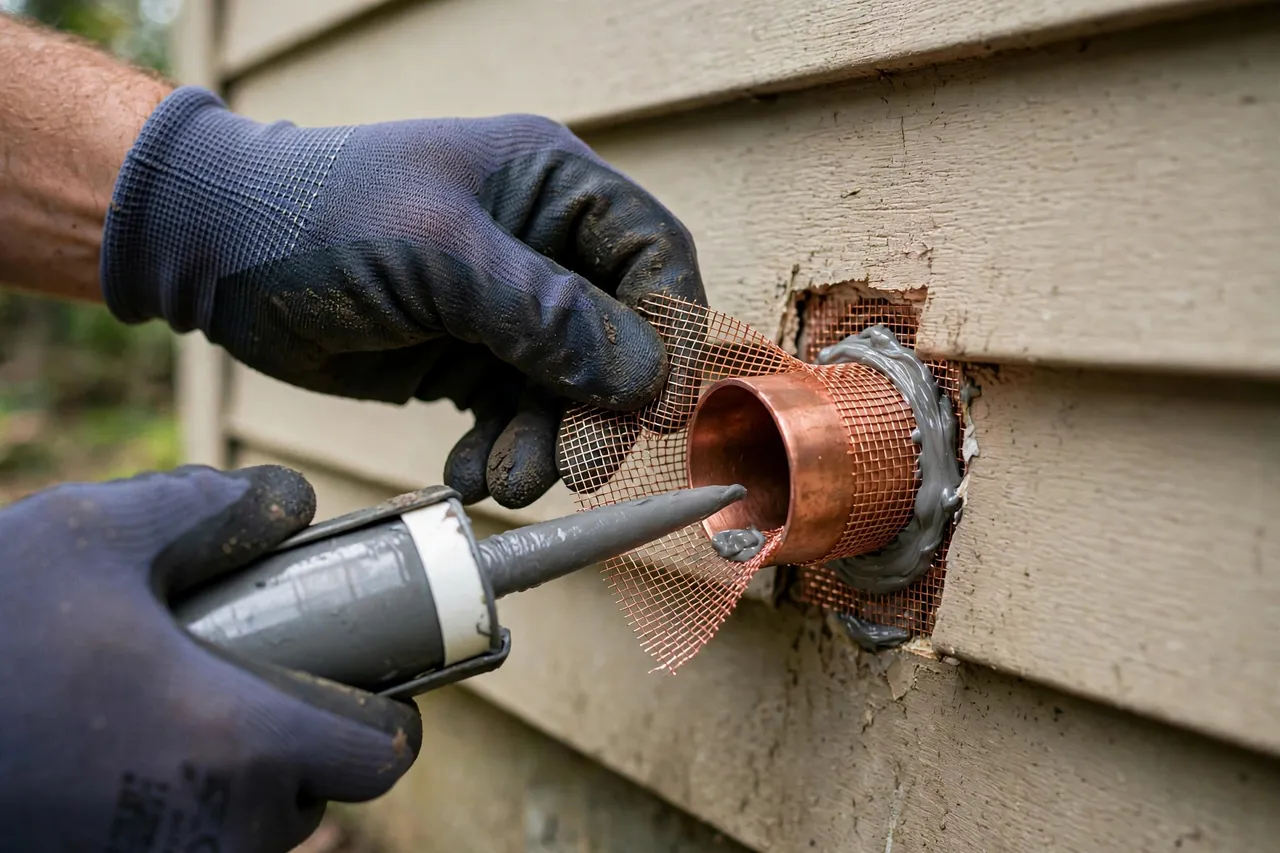
New Construction Proofing, Done Right
Drive the west side of Provo or up into Lehi and you'll pass street after street of fresh framing. What you can't see is what the rodents already know: a new home is a maze of open chases and oversized holes. The plumber drills a two-inch hole for a one-inch pipe. The electrician's penetrations between floors stay open inside the walls. The gap behind the tub, the unsealed sill plate, the utility trench entry — each trade does its job correctly, and sealing for rodents is simply nobody's job. Then drywall covers all of it, and the first mouse in the attic that October has a highway system it can travel without ever being seen.
New construction proofing is the one-time chance to close those passages while a person can still stand in front of them with a tube of sealant and a roll of copper mesh. It's the most cost-effective version of our rodent proofing work, and it only exists inside a short window of the build. After the walls close, the same protection comes from the attic-and-crawl-space side through our regular exclusion service — still very doable, just slower.
How We Get It Done
We coordinate with your build stage. The ideal visit is after rough-in — plumbing, electrical, and HVAC in place — and before insulation and drywall. We walk the framing with the same audit we use on finished homes, except now every penetration is in plain sight: floor and top-plate holes, tub and shower surrounds, the garage-to-house wall, utility entries, and the sill line.
Sealing at this stage is thorough and fast. Penetrations get copper mesh or backer and sealant sized to the hole. Chases that connect floors get blocked so wall voids stop being vertical highways. The garage wall penetrations — the ones that will matter most later — get particular attention, because retrofitting them after drywall is genuinely difficult. We document what was sealed with photos before the walls close, so there's a record of what's behind them.
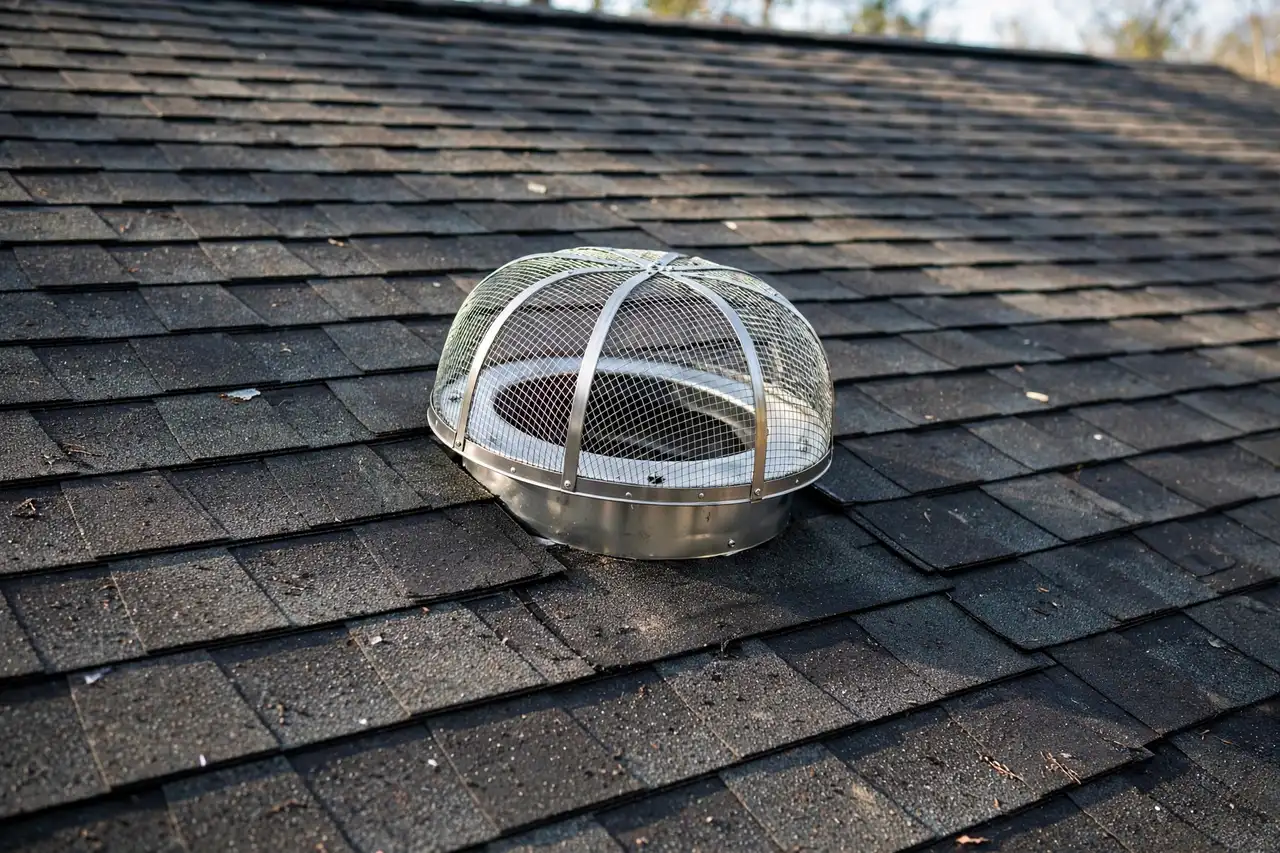
Then the exterior checklist applies as the home finishes: vent screening fitted, garage door corners verified with the daylight test once the door is hung, chimney capped, and the landscaping conversation — first-year plantings tight against the foundation are a rodent bridge from day one.
Signs You Need New Construction Proofing
You're building anywhere in Utah County — especially at subdivision edges in west Provo, Lehi, and the growing corridors where fields meet framing. You're buying a spec or model home that will be finished before you can inspect the framing. Your new neighborhood backs onto open land, canals, or farmland — displaced deer mice and voles are your first uninvited neighbors. Neighbors in a phase-one street are already posting about mice in their first fall. That last one is common enough in new developments that builders' sales teams hear about it; the homes simply go up faster than the sealing ever gets considered.
Honest Advice Before You Book
Timing is everything here, and we'll be blunt: if drywall is already up, don't pay anyone a "new construction" premium — buy the regular exclusion audit, which reaches the same gaps from accessible spaces. If you're mid-build, talk to your builder early; most are fine with a proofing visit at rough-in as long as it's scheduled and doesn't hold up their trades, but it has to be arranged before insulation day, not after. Also set expectations honestly: construction proofing closes the build's gaps, but it doesn't change the fact that your lot sits in rodent country. The exterior and yard layers from our home proofing still apply in year one, while the neighborhood matures around you. And if rodents are already in a finished new home, removal comes before any sealing, same as anywhere else.
The landscaping phase matters more than people expect. New subdivisions start with small plantings tight to the foundation — deliberately, because raw new lots look bare. Within two or three seasons those shrubs are dense, touching the siding, and forming a covered corridor along the exact wall line where penetrations and vents sit. Downspout extensions, irrigation valve boxes, and utility pads add more sheltered stops along the route. As part of a new-build plan, we map where the mature landscaping will reach and flag the plantings that will need to stay trimmed off the walls. It costs nothing to hear at build time and saves the classic year-three surprise, when the "new" house suddenly develops a mouse problem that was planted, literally, at closing.
New Construction Proofing FAQs
When in the build is the right time to proof?
After the mechanical rough-ins (plumbing, electrical, HVAC lines are in place) and before insulation and drywall close the walls. At that stage every penetration is visible and reachable, and sealing takes a fraction of the time it will after the home is finished.
What do builders typically leave unsealed?
Oversized holes drilled for pipes and lines, gaps where tubs and showers meet the framing, unsealed sill plates, open chases where utilities run between floors, and garage-to-house penetrations. None of it is unusual — sealing for rodents simply isn't part of a standard build spec in Utah County, so unless someone asks, it doesn't happen.
We're buying a newly built home, not building one. Can it still be proofed?
Yes. A finished new home gets the same full exclusion audit as any home — the penetrations are just reached from the attic, crawl space, and exterior instead of open framing. It's still far easier than proofing an older home, because nothing has settled, rotted, or been chewed yet.
Why do new subdivisions get rodents so quickly?
Construction displaces the mice and voles already living on the land, and fresh subdivisions sit right at the field's edge where populations are highest. New homes also smell like food fast — model homes, job site scraps, and then residents' garages. The first fall in a new neighborhood is when most owners meet their first attic mouse.
Related Services
Rodent Exclusion
Walls already closed? The full exclusion audit reaches the same gaps from the attic, crawl space, and exterior.
Seal the house →Home Rodent Proofing
The yard and habit layers for your first year in the new home — plantings, storage, and food sources handled right.
Proof your home →Rodent Removal
Already hearing activity in your new attic? Removal clears it before anything gets sealed in.
Remove what's inside →Building? The Window Is Short
Provo Rodent Pros is open Mon–Sat, 7am–7pm. Call before insulation day and let's get your build on the calendar.
Call (385) 406-1774