 Provo
Provo Chimney Caps in Provo, UT
Most Provo homeowners never look at the top of their chimney. Rodents do. An uncapped flue is an open shaft into the heart of your home — a fitted cap closes it for good.
Call (385) 406-1774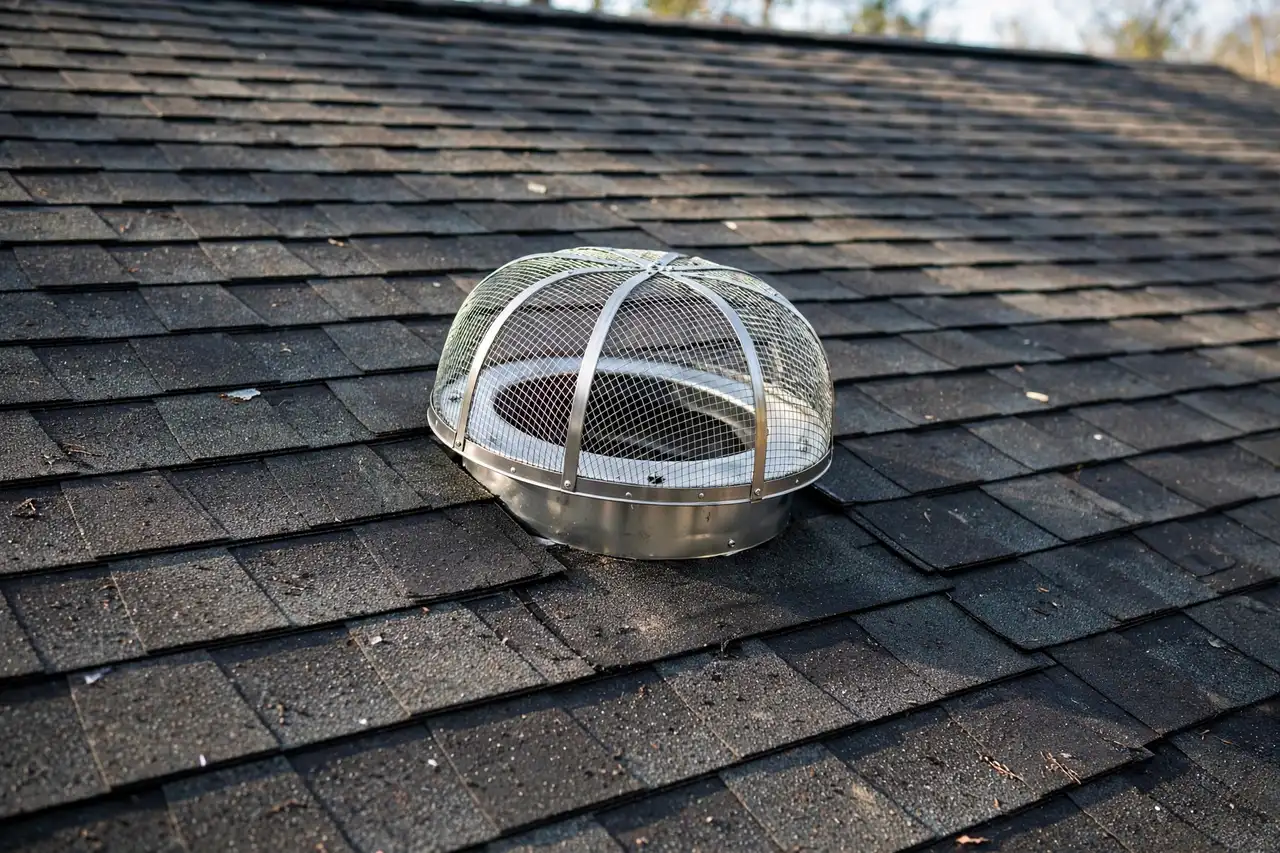
Chimney Caps, Done Right
Every other entry point on this site is a gap measured in fractions of an inch. A chimney flue is an opening measured in inches — a foot or more across on many Provo homes — sitting at the highest point of the house, completely unscreened. Rodents climbing the roofline find it easily, and the rough interior of a flue is an easy climb down. From there, gaps at the smoke shelf, a warped or rusted damper, or the seam where the chimney chase meets the attic give them routes into the structure. Winter makes it worse: a chimney radiates warmth, and animals looking for shelter in the cold months find it inviting. Chimneys also occasionally host bats and nesting birds — different problems, but the same open door.
A properly fitted chimney cap is a permanent fix: a screened, weather-shedding cover sized to your flue that lets smoke out and keeps everything else out. It's a small job in the full exclusion picture, but it closes the single largest opening in the house.
How We Get It Done
We start by making sure the chimney is empty. Before any cap goes on, we check for current occupants — sounds, debris, nesting material at the damper, and droppings on the smoke shelf. If something is living in there, removal or a one-way exit comes first. Capping an occupied chimney is a mistake we will not make on your home.
Then we measure and inspect the flue itself. Cap sizing depends on the flue's dimensions and type — single flue, multiple flues, or a chase cover on a prefabricated chimney. While we're up there we check the crown and flashing for cracks and gaps, because the seam where chimney meets roof is itself a rodent entry that a cap alone doesn't fix; those gaps get sealed with mesh and metal as part of the same visit.
The cap goes on securely and gets checked from below. Stainless or galvanized caps with mesh sides are fastened so wind can't lift them, and we confirm from the firebox that the damper still operates and nothing about the draw has changed.
Signs You Need a Chimney Cap
Your chimney simply doesn't have one — binoculars from the yard will tell you. Scratching or fluttering sounds from the fireplace, or debris and droppings falling onto the damper or into the firebox. A strong animal odor near the fireplace in winter. Birds nesting in the flue in previous springs — the access they used is still there in fall. An unused fireplace whose damper no longer closes or has rusted through. And if you're doing roofline exclusion already, an uncapped chimney leaves the job unfinished by definition.
Honest Advice Before You Book
The one rule above all others: never cap a chimney you haven't verified is empty, and be wary of anyone willing to install one in ten minutes without checking. That's how animals die in chimneys and come back as a far worse problem. Also know that a cap is not a chimney repair — if the crown is cracked or the flue liner is damaged, we'll tell you that's a mason's or sweep's job, separate from keeping rodents out, and we won't sell you a cap as a fix for it. If your chimney is one of several high openings, ask us to look at the whole roofline while we're up there — it's the efficient moment for it, and it's how our proofing approach treats the house: as one system, not a pile of separate invoices.
Why winter is chimney season. The calls cluster in the cold months for a reason. A masonry chimney absorbs heat from the home and radiates it slowly, and the flue itself traps a column of warmer air — to a rodent out in a Utah County cold snap, the top of your chimney reads as shelter from a long way off. Squirrels and raccoons are the large obvious cases, but mice use chimney chases too, entering where the chase framing meets the roof rather than down the flue itself. That's why our chimney visit always includes the flashing line and chase seams, not just the cap: the opening at the top is the famous one, but the seams around it are the ones mice actually use.
Chimney Cap FAQs
How do rodents use a chimney to get in?
An uncapped flue is an open vertical shaft. Rodents climb down the flue walls or in through gaps where the chimney meets the roofline and flashing, and from the smoke shelf or a loose damper they can reach attic edges and wall voids. Even when they can't enter the living space, an animal trapped in a chimney is a serious problem on its own.
Will a chimney cap affect how my fireplace drafts?
A properly sized cap is designed to sit above the flue and let smoke exit freely — many homeowners notice no change, and caps can actually reduce downdrafts from wind. The key is correct sizing and clearance, which is why we measure the flue rather than grab a generic cap off the shelf.
What if there's already an animal in my chimney?
Don't light a fire, and don't cap it yet — sealing anything inside is the worst outcome. Animals in chimneys need to be removed or allowed a one-way exit first. Call us and we'll talk through what's in there based on the sounds and timing before anyone goes on the roof.
My chimney isn't used anymore. Should it still be capped?
Yes — an unused chimney is if anything a bigger risk, because nobody is looking at it and the damper may be rusted open or missing. A cap keeps rodents, birds, rain, and debris out of a shaft that leads straight into the middle of your house.
Related Services
Roofline Exclusion
The chimney sits in the middle of the roofline system — soffits, returns, and vents need the same attention while we're up there.
Secure the roofline →Rodent Proofing
Whole-property prevention that treats the chimney, garage, roofline, and yard as one connected problem.
Proof the whole property →Rodent Removal
Hearing something in the flue right now? It comes out safely before anything gets sealed.
Remove what's inside →Look Up — Is Your Chimney Open?
Provo Rodent Pros is open Mon–Sat, 7am–7pm. Call for a chimney check and cap fitting.
Call (385) 406-1774